







The Indian rupee has crashed through the 94 level against the US dollar for the first time ever. It closed at a painful record low of 94.81 after touching
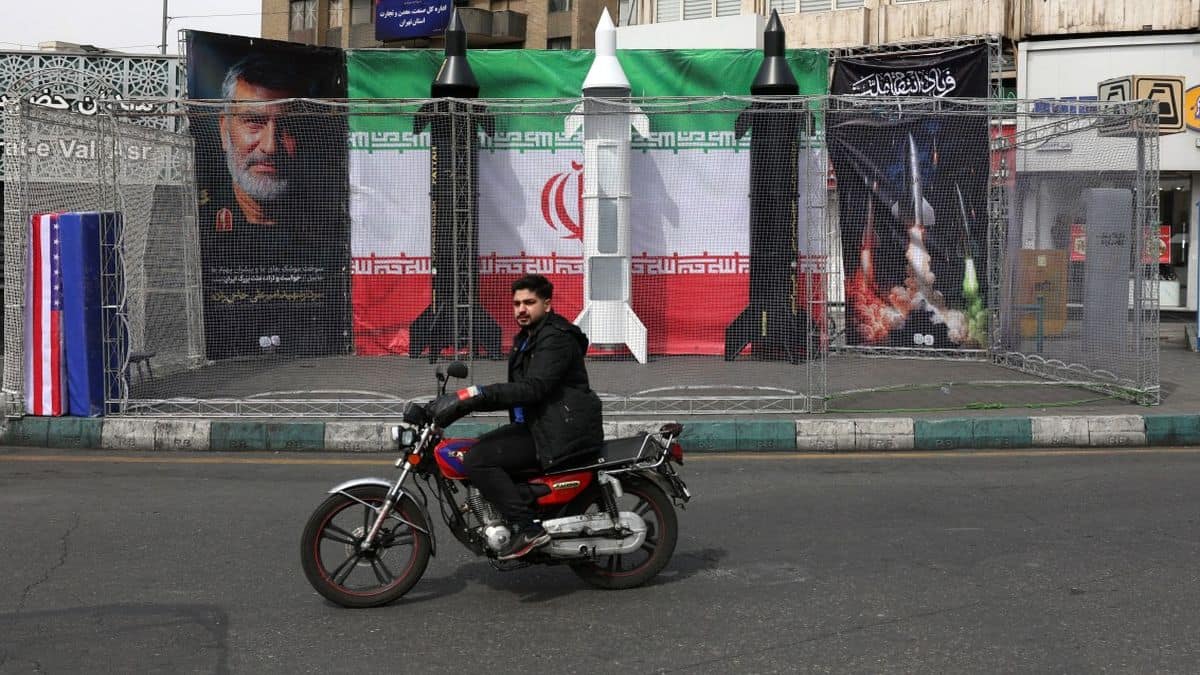
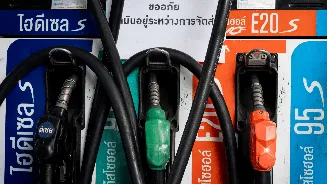
an intraday low of 94.84. This marks the worst fall in a full financial year in more than ten years. Since the beginning of this fiscal year, the rupee has depreciated by approximately 11%. In just 2 months (late February), it has lost approximately 4%. This rapid and significant drop in the value of the rupee has caused concerns among traders, businesses, and individuals alike about the future. The biggest reasons for this historic weakness are clear. Global oil prices have shot up sharply because of the ongoing conflict involving Iran in West Asia. Many experts now believe crude oil will stay above 100 dollars per barrel for several weeks or even longer. India depends heavily on imported oil for its energy needs. Every rise in oil prices means a much bigger import bill for the country. This extra cost pushes up inflation, makes transportation and production more expensive, and widens the gap in India's current account. All these factors combine to put strong downward pressure on the rupee. While the war in West Asia is a major worry, dealers in the currency market say the more immediate pain is coming from heavy selling by foreign institutional investors. These foreign funds have pulled out more than 13 billion dollars from Indian stocks and bonds this month alone. That is the highest monthly outflow ever recorded. The selling has been driven by fears of rising inflation, a weakening rupee, and growing concerns about India's external financial position. As foreign money flows out, domestic stock markets have fallen sharply. At the same time, yields on government bonds have climbed to their highest levels in many months. This shows that money is becoming tighter and more expensive across the system.The government has stepped in to protect common people by cutting excise duty on petrol and diesel. The goal is to stop fuel prices at the pump from rising too much and hurting daily life. But this decision is not free. It will increase the pressure on the government's fiscal deficit and likely force more borrowing in the coming months. Many research houses have already started lowering their growth forecasts for the Indian economy because of these shocks. On the other side, expectations are growing that the Reserve Bank of India may have to raise interest rates over the next year to fight inflation.There are a few small rays of hope in this difficult situation. People are expecting about 4.4 billion dollars to come into the country from the Mitsubishi-Shriram Finance deal. If that money arrives as planned, it could give the rupee some breathing room. Analysts also believe that if the conflict in the Middle East starts to calm down and peace talks show real progress, the rupee could recover by at least 2 percent quite quickly. For now, however, the currency looks weak. It is likely to trade between 93.25 and 94.25 in the near term, with more chances of falling further until the global picture becomes clearer. This episode shows how vulnerable India remains as one of the world's largest buyers of oil. When supplies get disrupted in faraway places like the Strait of Hormuz, the effects reach Indian shores fast. Higher oil costs do not just affect the rupee. They raise prices of almost everything — from food items that need transport to household goods and services. For millions of Indian families, this means higher living costs and tighter budgets. For companies that rely on imported raw materials or fuel, profit margins get squeezed and future planning becomes harder.Foreign investors have turned cautious because of the combination of global uncertainty and local pressures. The US dollar has stayed strong, and many are moving money back to safer places. This has made the rupee one of the weakest currencies in Asia recently. The sharp fall in stock prices has created a negative cycle — falling markets encourage more selling, which pushes the rupee down even further. The Reserve Bank of India has a reputation for stepping into the market when the rupee moves too wildly. It can sell dollars from its foreign exchange reserves to calm things down. But the central bank usually prefers to let the currency adjust gradually according to real economic conditions rather than fighting every small move. If oil prices stay high and foreign selling continues, the RBI will face a tough balancing act in the weeks ahead.Even though there are some early signs that the West Asia conflict might de-escalate, the currency market is still nervous. Global uncertainty is not disappearing overnight. There are many parties involved with the ongoing changes regarding the rupee; in particular importers, export businesses, investors as well as government and regulator agencies will watch with great vigilance. With respect to the average person; when the rupee is weak, it creates an increase in the total price paid for imported products expanding the cost of energy therefore increasing the total cost of living. A lower than 94 rupee to 1 dollar also is not simply a headline, but a signal of more profound issues within the economy; as relates to issues surrounding energy security, management of the flow of capital and creation of an environment conducive to providing economic stability while the overall environment on a global basis changes. The government and the central bank will need to walk a careful line,supporting growth while keeping inflation and the fiscal situation under control. Some relief could come if oil prices ease or the expected foreign inflows materialise soon. But until the situation in the Middle East improves and foreign investor confidence returns, the rupee is likely to stay under pressure.This moment serves as a strong reminder that India's economy cannot fully escape the impact of distant geopolitical events. What happens in West Asia today can quickly affect prices, jobs, and living standards at home tomorrow. Businesses and families alike will have to prepare for a period of higher costs and uncertainty. The next few weeks will be important in deciding whether this sharp fall turns into a longer period of weakness or if the currency can find its feet again.