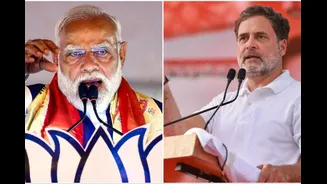







The BJP on Wednesday launched a sharp attack on Leader of Opposition Rahul Gandhi, questioning the funding trail behind his alleged foreign travels and claiming
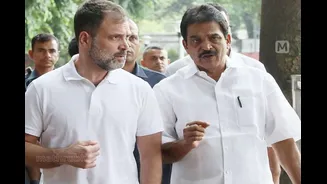
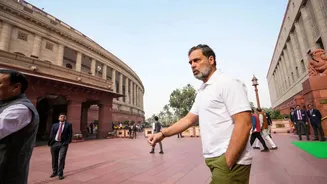
that he spent nearly Rs 60 crore on 54 overseas trips over the past 22 years. The BJP's attack came after Rahul Gandhi recently criticised the appeals made by PM Narendra Modi to spend wisely and choose Indian and local amid economic pressures caused by the Middle East war. Addressing a press conference, BJP MP Sambit Patra said the party would “expose some facts” and raise questions about Rahul Gandhi’s foreign visits. Patra alleged that Rahul Gandhi undertook 54 personal foreign trips during his time in public life, excluding parliamentary committee visits, and that the BJP had compiled “ledgers” and cost estimates related to those travels. “The trips are public but the funding trail is not public,” Patra said, claiming the Congress MP travelled in chauffeur-driven cars, stayed in five-star hotels and was accompanied by aides on many occasions.
The BJP leader alleged that Rahul Gandhi’s declared income between assessment years 2013-14 and 2022-23 was around Rs 11 crore, while the estimated expenditure on his foreign trips was nearly Rs 60 crore.
Patra cited several visits, including an alleged undeclared trip to Muscat and Oman on May 3 this year that he claimed cost around Rs 50 lakh. He also referred to trips to London and Berlin in December 2025, a 19-night Latin America visit in September-October 2025, a Boston trip in April 2025 and an undeclared Dubai visit the same month.
He further alleged that some trips were undertaken without proper disclosure to security agencies, referring to CRPF communications mentioning “secret trips”.
The Congress has not yet responded to the BJP’s allegations.
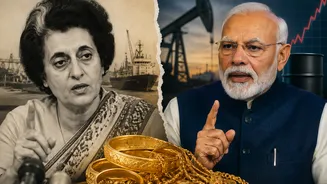
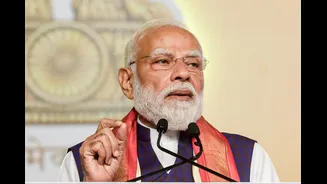
PM Modi had recently urged citizens to contribute towards economic stability through measures such as reducing fuel consumption, cutting unnecessary travel and limiting gold imports and purchases. The Prime Minister has repeatedly pitched self-restraint as part of a broader push for economic discipline and “nation first” participation during challenging periods.