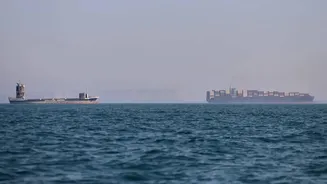










Iran is exploring a new plan to charge vessels using the Strait of Hormuz for security, safety, and environmental services, a proposal that officials estimate
could bring in around $40 billion annually. The initiative, reportedly being discussed with Gulf states and China, draws inspiration from Turkey's system of levies on ships passing through the Dardanelles, according to a Wall Street Journal report. If implemented, it would give Tehran cash flow and control that it didn’t command before the war. According to the report, Tehran is pitching the idea to the wider Middle East and as far afield as Beijing, according to Iranian officials. It wants its Persian Gulf neighbours to be part of the agreement and share the revenue, they said. “Everyone needs to know that management of the strait will never return to the way it was before,” said Iran’s chief negotiator, Mohammad Bagher Ghalibaf, during a visit to Oman on Tuesday to discuss the proposed arrangements with its neighbour across the waterway.
Ships start crossing Hormuz
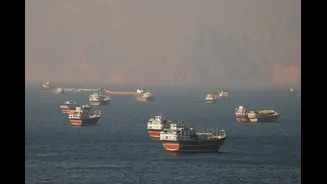
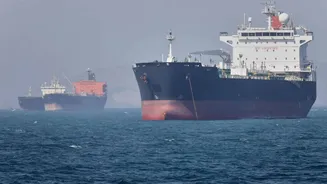
The number of ships crossing the strait Wednesday reached its highest since the war began with around 70 crossings, according to ship trackers, whose estimates vary. On average before the war, 130 oil tankers went through the neck of the Persian Gulf each day.
Secretary of State Marco Rubio pushed back against the idea of tolls or fees in the strait during a trip to the Middle East this week, saying Thursday that tolls or fees would set a dangerous precedent that would spread like a contagion and cause chaos.
“The reality is that no country on earth has the right to charge for the use of international waterways, and that will never be an acceptable condition of any deal,” he said during a stop in Bahrain. Rubio added that Persian Gulf countries had rejected the idea of charges to cross the strait.
The 60-day deal to end the fighting and reopen the waterway puts Iran in charge of demining it and insists on toll-free passage for ships in that time. But the document also gives Iran, which doesn’t recognize maritime law governing the strait, a say in the future management of the shipping chokepoint.
Iran has already set up an insurance firm it says shippers must use to cross the strait and Thursday warned that transits outside its designated routes were highly dangerous and prohibited, according to Iranian state media.