






What is the story about?
Bryan Vander Dussen, a former dairy farmer, has transitioned to selling farm-raised beef and recently began creating tallow balm from organ fat, which
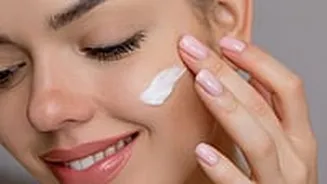
has garnered interest from consumers. As more people explore animal-based skin care products, including those made from beef tallow and salmon sperm, the trend is becoming prominent in high-end spas, social media, and farmers' markets.
Consumer Interest in Animal-Based Products
In recent years, consumers have shown an increasing interest in skin care products derived from animal sources, promoted as natural alternatives to synthetic options. These products are becoming popular across various platforms, from social media to farmers’ markets.Norah MacKendrick, an associate professor of sociology at Rutgers University, attributes this trend to a growing awareness of chemical impacts on health, along with a cultural shift towards embracing animal-based foods.
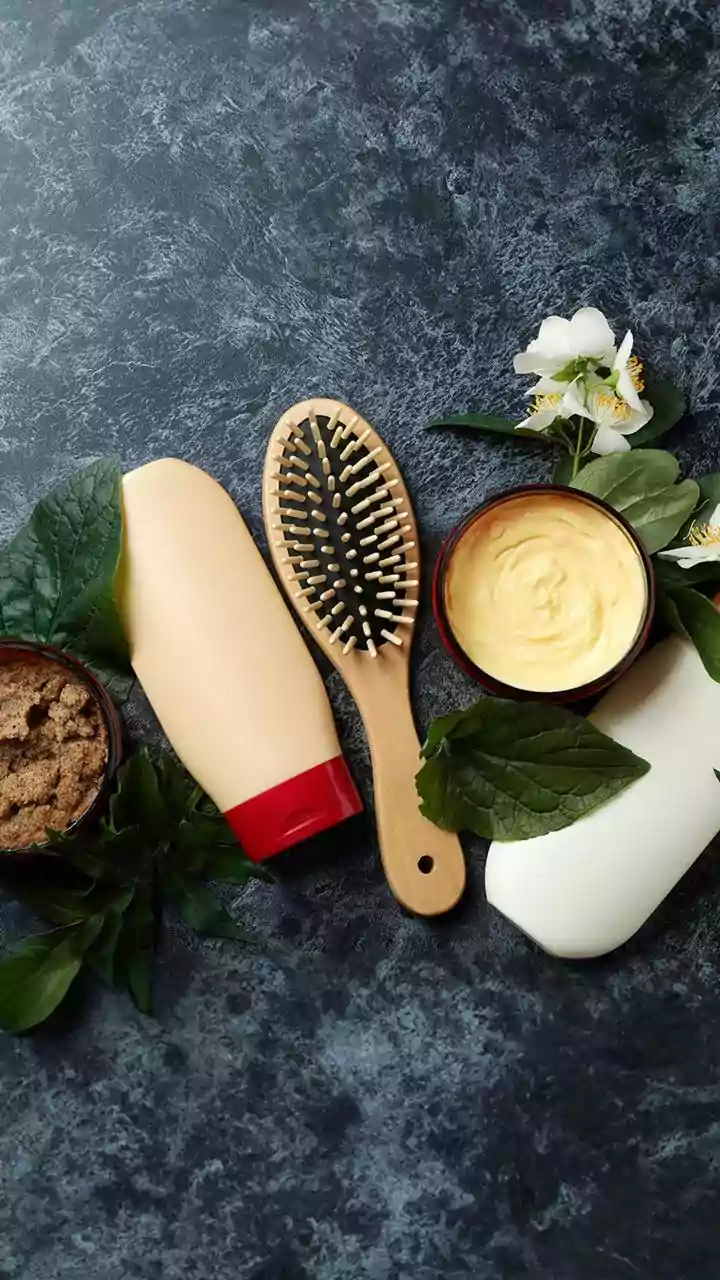
Natalee Keenan, 31, shared her experience with tallow, noting that while her first product felt heavy, she later discovered a lighter whipped tallow balm scented with coconut that suited her better.
Experts Weigh In on the Trend
The cosmetics industry has largely moved away from animal-derived ingredients due to concerns about animal testing and health risks. However, Perry Romanowski, a cosmetic chemist, noted a resurgence of these materials, often marketed as natural alternatives.Jamie Moody, who produces tallow products in Northern California, emphasized the sustainability aspect of using animal byproducts, reflecting a growing consumer demand for clean products.
Kelly Pratt, a spa owner in Tampa, Florida, reported a surge in demand for treatments like salmon sperm DNA facials, citing positive client feedback regarding skin improvements.
Cautions from Dermatologists
Despite the appeal of animal-based products, experts caution that there is insufficient medical evidence to support their effectiveness. Dr. Angelo Landriscina, a dermatologist in New York City, has highlighted the need for consumers to be wary of misinformation surrounding skin care.Dr. Heather Rogers, a dermatologist in Seattle, echoed this sentiment, stating that while tallow can be beneficial, it may also pose risks if rancid or if additives irritate the skin.
Cultural Influences on Skin Care Choices
Corrin Dial, who runs a farm in South Carolina, noted a growing trend among consumers to seek natural products, particularly those avoiding chemical ingredients. This shift is partially driven by mothers concerned about the health implications of chemicals in personal care products.MacKendrick remarked that mothers are increasingly making purchasing decisions for their families, reflecting a high-stakes approach to cosmetic choices.
Industry Dynamics and Consumer Expectations
Romanowski pointed out that the beauty industry faces constant pressure to innovate, likening it to the fashion industry where products must continuously evolve to attract consumers.As consumers become more aware of the origins and ingredients in their skin care products, the demand for transparency and efficacy will likely continue to shape industry trends.