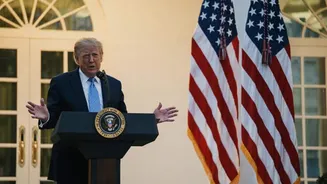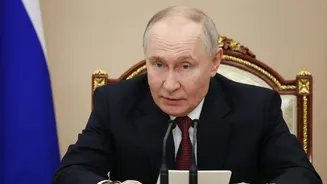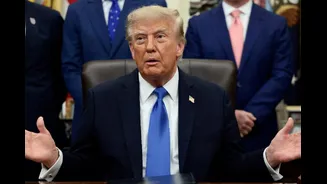



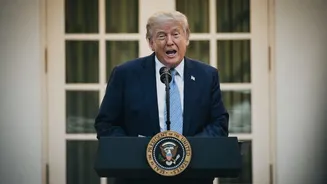
US President Donald Trump has signed into law a sweeping Russia sanctions bill that gives his administration the power to impose tariffs of up to 100 per
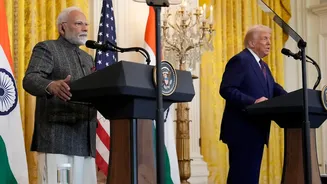
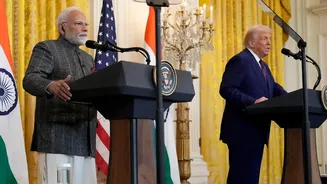
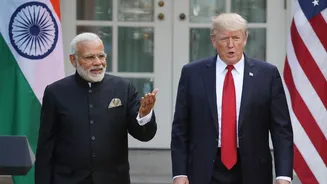
cent on countries that continue to purchase large quantities of Russian oil and gas, putting India among the countries most exposed to the new measures. The legislation, formally known as the “Lindsey O. Graham Sanctioning Russia and Iran Act of 2026”, targets Russia’s energy revenues and also includes measures against entities involved in helping Moscow evade sanctions. The US Congress passed the bill this week before sending it to Trump. India is particularly vulnerable because it has become one of the largest buyers of Russian crude since Moscow’s invasion of Ukraine in 2022. Russian oil accounts for more than 40 per cent of India’s oil imports, according to Reuters. The law does not automatically impose a 100 per cent tariff on Indian goods. Instead, it gives Trump the authority to impose tariffs of up to 100 per cent on goods from countries that meet specified criteria linked to purchases of Russian petroleum or natural gas. The legislation also allows the president to grant exemptions in certain circumstances. India Faces Energy And Trade Risks India has warned Washington that the measures could affect bilateral relations and global energy markets. New Delhi has maintained that continued purchases from Russia are important for ensuring energy security for its 1.4 billion people and has stressed that it sources crude from multiple countries.
President Trump signs Lindsey Graham’s Russia sanctions bill into law. pic.twitter.com/vhZqXC9C5T
— Politics & Poll Tracker 📡 (@PollTracker2024) September 18, 2026
The issue creates a difficult economic calculation for India. Reducing Russian oil purchases could force Indian refiners to source more crude from other markets, potentially increasing import costs and putting pressure on domestic fuel prices. Continuing to buy Russian crude, meanwhile, could expose Indian exports to the US to higher tariffs if Washington activates the new powers.
The US is India’s largest export market, making the potential tariff threat significant for sectors that depend heavily on access to American consumers. Reuters reported that Indian goods exports to the US rose to $42.79 billion in April-August, from $40.39 billion during the same period a year earlier.
China is also among the major buyers of Russian crude and could face similar exposure under the legislation.
The law therefore puts Russia’s energy trade with major Asian buyers at the centre of a wider US effort to restrict Moscow’s revenue while creating new risks for countries that continue purchasing Russian oil.
For India, the impact will depend on how the Trump administration uses the new tariff authority, including the rate imposed and whether New Delhi receives an exemption.