






What is the story about?
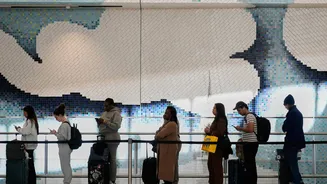
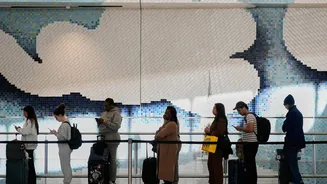
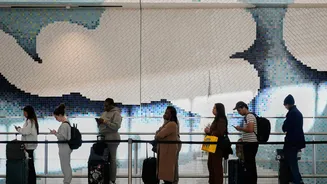
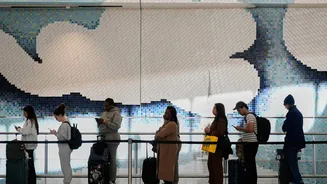
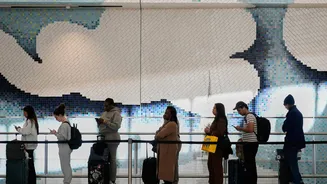
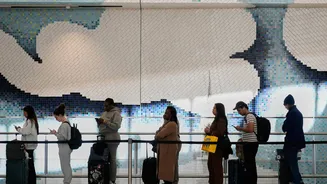
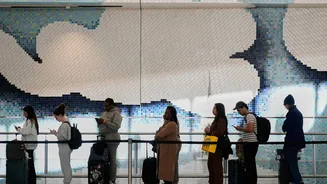
Travelers worldwide are facing a new reality characterized by rising fees, reduced flight options, and challenging decisions regarding the value of their
trips. This shift is primarily attributed to the volatility in oil and jet fuel prices. The recent surge in these prices, which began with the escalation of conflict in the Middle East and the disruption of oil supplies near the Strait of Hormuz, has created a significant impact on the airline industry and travelers alike.
Airline Responses to Fuel Price Fluctuations
Airlines are adopting cautious strategies by trimming flight schedules and adjusting ticket prices. Experts indicate that these changes will unevenly affect the market, influencing nearly all types of travelers.Budget airlines and their cost-sensitive customers are expected to experience the most immediate impact, but even those flying in premium classes will not be immune to increased fares and altered schedules.
Recent Trends in Oil Prices
Oil prices have exhibited extreme fluctuations, briefly exceeding $119 per barrel before dropping below $95, only to rise again toward $100 amid uncertainty surrounding a ceasefire deal. Iran has since reclosed this vital shipping route following Israeli military actions in Lebanon.Shye Gilad, a former airline captain, highlighted the challenges airlines face in predicting future fuel costs, stating, 'When prices move quickly in both directions, it’s very hard for airlines to make predictions.' He further explained that airlines may take months to adjust ticket prices in response to these market changes.
Financial Impact on Airlines
Delta Air Lines CEO Ed Bastian noted that the current fuel prices could lead to an additional $2 billion in operating expenses for the second quarter. Similarly, United Airlines has indicated that sustained high jet fuel prices could result in an extra $11 billion in annual costs.According to the International Air Transport Association, the average global jet fuel price surged to $209 per barrel last week, compared to approximately $99 at the end of February.
Travelers Facing Higher Costs
Travelers from the U.S. to destinations like Hong Kong and New Delhi are already feeling the effects of increased operational costs embedded in ticket prices and add-on fees. Major airlines, including Delta, United, Southwest, and JetBlue, have all raised their checked baggage fees.United Airlines has expanded its pricing strategy to include premium cabins, applying a 'pay for what you want' model similar to its economy service. Cathay Pacific has increased fuel surcharges by approximately 34%, while Air India has introduced fees of up to $280 on certain flights.
Adjustments in Flight Schedules
Amid rising costs, airlines are also reducing the frequency of flights. BNP Paribas estimates a global reduction of around 5% in flight schedules for April, particularly affecting the Middle East, while smaller cuts are observed in Europe, Asia, and North America.United Airlines plans to cut about 5% of its scheduled flights, focusing on less profitable routes, while Delta has decided to maintain approximately 3.5% fewer seats than originally planned for June.
Impact on Travel Plans
The current uncertainty in flight availability and rising costs is altering travel plans for many. Bill Moorehouse, a frequent business traveler, expressed concerns about disruptions affecting his carefully coordinated schedules.As a result, he has opted to remain closer to home, suggesting that now is a good time to reconnect with local friends.
Anna Del Vecchio, a Seattle resident, has delayed her annual trip to visit family in Philadelphia and friends in Paris due to soaring airfare, which has reached around $1,400, nearly double what she has previously paid.