











What is the story about?
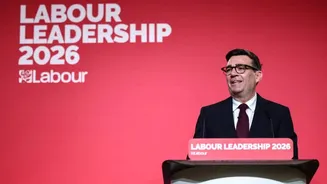
Andy Burnham steps into 10 Downing Street on Monday, becoming the United Kingdom's seventh prime minister in just ten years. He secured overwhelming backing
to lead the Labour Party on Friday, following Keir Starmer's resignation last month. It's been an astonishing few weeks for the former Greater Manchester mayor, and much about his plans for the country, including who will sit in his cabinet, remains unclear.
Cost of Living Takes Center Stage?
Burnham has signaled he wants to focus heavily on domestic issues once he takes charge, with the cost of living crisis sitting at the very top of his agenda. He arrives in office during a stretch of real economic difficulty, and his team has already hinted that a cost of living package will be among his earliest announcements. Whether that plan goes far enough to help families still struggling with high prices and flat wages is an open question.He won't get much breathing room. Later this month, the Bank of England has to decide whether to hold interest rates steady, and it will also publish fresh inflation forecasts. Then on August 26, energy regulator Ofgem will set the price cap for autumn, directly shaping how much households pay to heat and power their homes.
Burnham and his team appear to understand that frustration over living standards, combined with a sense that politicians can't fix the problem, is a major driver of public anger. At a victory rally in Makerfield, he promised to bring down water bills, electricity costs, and rail fares to make life more affordable.
Handling Trump
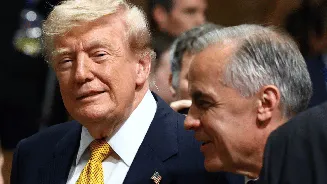
Even as he tries to turn inward, Burnham can't avoid the international stage, especially when it comes to Donald Trump. He'll have watched Starmer start out cautious with the unpredictable US president before eventually growing more openly critical of the White House. Frustration built in Downing Street as Trump and his allies repeatedly slammed Britain over immigration policy, its hesitation on North Sea drilling, and what they saw as weak defense funding, despite London's diplomatic efforts to keep things smooth.Where Burnham Stands on Europe
Burnham also has to work out how close he wants Britain's relationship with the EU to be, both for himself and for a party full of pro-EU members. He once said he hoped to see the UK rejoin the EU during his lifetime, though he toned that down while campaigning in Makerfield.In a May speech, he said he wasn't pushing for the UK to reconsider EU membership, arguing that honoring the original referendum result mattered to his broader case for strengthening democracy. Back in 2016, Burnham was a committed Remain supporter, warning that Brexit would fracture British society and threaten the UK's unity.
He'll also need to decide whether to keep backing Starmer's youth mobility deal, which would let tens of thousands of young people from Britain and the EU live and work on each other's soil for several years. Given Britain's political instability and Burnham's inexperience, the EU may try to squeeze tougher terms out of him on this and related issues. Longer term, he could also face pressure from inside Labour to go further than the party's current limits, which rule out rejoining the single market or customs union.
Unfinished Business on Defense
One of the final blows to Starmer's premiership came when Defence Secretary John Healey resigned last month, blaming Starmer for failing to secure the funding needed to strengthen the military.Burnham has promised to cut welfare spending to help pay for higher defense budgets, but his current plans wouldn't free up large sums quickly. He's ruled out touching the pensions triple lock or cutting sickness and disability benefits, leaning instead toward welfare-to-work programs that take time to build and require heavy upfront spending.
A Careful Line on Welfare
Burnham has made clear he wants to shrink Britain's welfare bill to help fund defense spending, insisting he isn't squeamish about cutting benefits. But he's avoided promising quick, blunt cuts, instead pointing to long-term efforts to help people find work.Starmer learned the hard way how tricky welfare reform can be, backing down last year after Labour MPs rebelled against his own proposed cuts. Nothing stops Burnham from pushing his own welfare legislation, but winning over Labour MPs will be a challenge all its own.