





What is the story about?
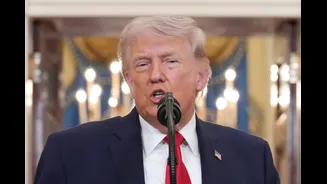
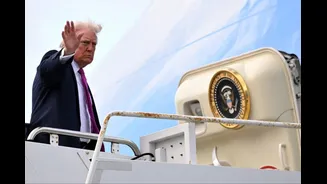
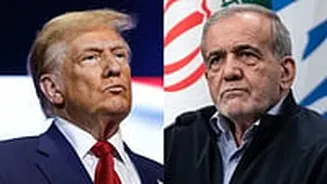
President Donald Trump stated that U.S. forces will continue to target Iran aggressively over the next two to three weeks, asserting that the military
actions aim to significantly weaken the nation. He emphasized that the objectives set by Washington have been met or exceeded, despite ongoing challenges. During his remarks, Trump did not address any potential negotiations with Iran or mention the April 6 deadline for the reopening of the Strait of Hormuz, a vital passage for global oil transport. His comments come as rising tensions have contributed to increased fuel prices and market volatility.
Market Reactions to Trump's Remarks
Following Trump's statements, oil prices surged by over 6%, with Brent crude climbing 4.9% to $106.16 per barrel, while benchmark U.S. crude rose 4% to $104.15. This spike in oil prices has contributed to rising gas prices in the U.S., which exceeded an average of $4 per gallon for the first time since 2022.Analysts warn that these elevated fuel costs are likely to impact grocery prices, as businesses face increased transportation and packaging expenses due to the war's disruptions.
International Responses to the Situation
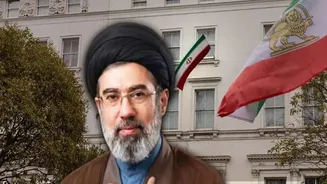
China has indicated that it is in communication with various parties regarding the stability of the Strait of Hormuz. Foreign Ministry spokesperson Mao Ning stated that restoring peace in the area is a shared goal and criticized military actions by the U.S. and Israel as the root cause of the current disruptions.Meanwhile, Iran's army chief issued a stern warning against any U.S. invasion, claiming that invading forces would not survive. Maj. Gen. Amir Hatami emphasized the need for security within Iran, advocating for an end to hostilities.
Global Political Reactions
Irish Prime Minister Micheál Martin condemned Trump's rhetoric, asserting that it endangers civilians who are not involved in the conflict. He stressed the importance of prioritizing civilian safety amid military threats.In a contrasting viewpoint, Iran's military spokesperson claimed that the nation possesses hidden stockpiles of arms, dismissing U.S. military efforts to target them as ineffective.
Impacts on South Korea and the U.S.
South Korea has communicated with the U.S. about strategies to address Iran's influence in the Strait of Hormuz. The South Korean Foreign Ministry emphasized its commitment to ensuring the safe flow of energy supplies and the normalization of shipping routes.Additionally, the U.S. Embassy in Baghdad issued a warning to citizens regarding potential attacks from Iran-linked militias, advising them to exercise caution in the coming days.
Domestic Criticism of Trump's Address
Democratic lawmakers criticized Trump’s address, labeling it as incoherent and lacking clarity regarding U.S. military objectives in Iran. Senator Mark Warner expressed concern over rising prices for essential goods and called for more transparency about the conflict's implications for American citizens.Senator Chris Murphy added that the speech did not provide a clear understanding of whether U.S. actions would escalate or de-escalate the situation.