







What is the story about?
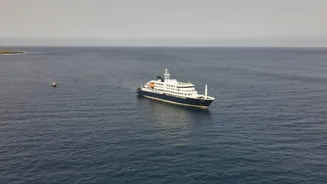
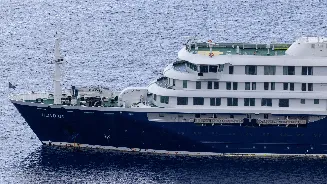
MADRID (AP) — Health authorities across four continents are actively tracking and monitoring passengers who disembarked from a cruise ship linked to a hantavirus
outbreak that resulted in the death of one passenger. The outbreak, which has raised concerns, is prompting officials to identify others who may have had contact with these passengers. In Argentina, investigators are focusing on a southern town believed to be the outbreak's origin, where a Dutch couple may have contracted the virus during a bird-watching trip prior to boarding the cruise ship. The Health Ministry has confirmed ongoing efforts to trace contacts and understand the outbreak's source.
Outbreak Details and Fatalities
On April 24, nearly two weeks after the first passenger's death aboard the ship, over two dozen individuals from at least 12 different countries left the vessel without undergoing contact tracing, according to the ship’s operator and Dutch officials. So far, three passengers have died, including the Dutch couple and a German national, while several others remain ill. Symptoms of hantavirus typically manifest between one and eight weeks following exposure.Currently, no remaining passengers or crew members on the ship are exhibiting symptoms, as confirmed by Oceanwide Expeditions, the cruise line based in the Netherlands.
Health Organization Assessments
The World Health Organization (WHO) has assessed that the risk to the general public remains low. Hantavirus transmission primarily occurs through inhalation of contaminated rodent droppings and is not easily spread between individuals. Dr. Abdirahman Mahamud, WHO's alert and response director, expressed confidence that with proper public health measures, the outbreak could be contained.Evacuations and Monitoring Efforts
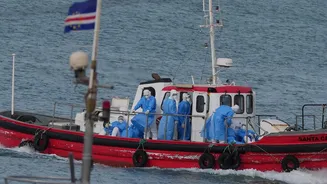
On May 2, health authorities confirmed the first hantavirus case aboard the ship, involving a British man who was evacuated to South Africa three days post the St. Helena stop. Meanwhile, three individuals, including the ship’s doctor, were evacuated on Wednesday for specialized treatment in Europe.The body of the first fatality, a Dutch man, was removed from the ship on April 24 at St. Helena, where his wife also disembarked. She later traveled to South Africa, where she subsequently died.
Contact Tracing and Isolation Measures
Authorities in St. Helena are monitoring a small number of individuals deemed “higher risk contacts,” advising them to isolate for 45 days. Singaporean health officials are also observing two men who disembarked at St. Helena, flew to South Africa, and returned home, as they are being tested for the virus.In South Africa, the Dutch health ministry announced that a flight attendant who briefly interacted with an infected passenger is exhibiting symptoms and will be tested in isolation. If confirmed positive, she would represent the first known case of infection outside the cruise ship.
Source Investigation and Hantavirus Strain
Investigators are focusing on the Andes virus, a strain of hantavirus believed to spread between humans. Tests confirmed that at least five individuals aboard the ship were infected with this strain. The Dutch couple that presented the initial cases traveled through areas in Argentina known for the presence of the rodent species associated with the virus.Argentina’s Health Ministry has identified Ushuaia as a potential outbreak source and plans to send a team for further investigation. The WHO is collaborating with local health authorities to understand the couple's movements and has arranged for diagnostic kits to be sent to laboratories in five countries.