









TheUnited States, Iraq and Syria are preparing to announce plans to revive a decades-old oil pipeline linking northern Iraq to Syria's Mediterranean coast,
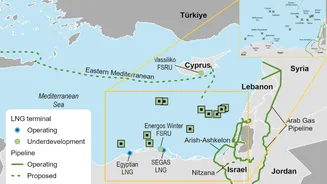
according to a report by Middle East Eye. The proposed project is aimed at creating an alternative export route that reduces reliance on the Strait of Hormuz, a strategic waterway that has become a flashpoint amid escalating regional tensions. Citing senior Iraqi and regional officials, the report said the three countries are expected to unveil the agreement next week during Iraqi Prime Minister Ali al-Zaidi's visit to Washington, where he is scheduled to meet US President Donald Trump at the White House. The proposed deal centres on restoring the historic Kirkuk-Baniyas pipeline, which stretches roughly 500 miles (about 800 kilometres) from Iraq's northern oil hub of Kirkuk to the Syrian Mediterranean port of Baniyas. Once operational, the pipeline would provide Iraq with a direct route to international markets through the Mediterranean, reducing dependence on Gulf shipping lanes. According to the report, Tom Barrack, the US ambassador to Türkiye and special envoy for Syria and Iraq, has been leading negotiations ahead of Zaidi's visit. Barrack is said to view the pipeline as a flagship regional infrastructure project that could strengthen economic cooperation while advancing US strategic interests in the Levant. The Iraqi prime minister is also expected to visit Texas, the centre of the US energy industry, as part of the trip. The Kirkuk-Baniyas pipeline was originally completed in 1952 by the Iraq Petroleum Company and had a capacity of around 300,000 barrels per day. Iraq halted operations on the line during the 1980s after Syria aligned with Iran during the Iran-Iraq War. The pipeline later suffered extensive damage following the 2003 US-led invasion of Iraq and has remained largely out of service ever since. Reviving the pipeline would come at a time of heightened concerns over maritime security in the Strait of Hormuz, through which a significant share of the world's oil exports passes. Recent clashes involving the United States and Iran have disrupted shipping in the region and renewed calls for alternative export routes. Neither Washington, Baghdad nor Damascus has officially confirmed the reported agreement. If finalised, the project would mark a significant shift in regional energy infrastructure and could reshape oil export logistics across the Middle East while reducing dependence on one of the world's most strategically sensitive waterways.