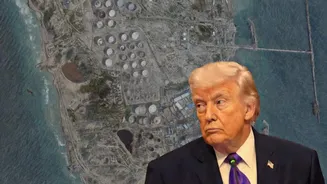
President Donald Trump stated on Sunday that he has 'no problem' with a Russian oil tanker delivering much-needed supplies to Cuba, which has been severely
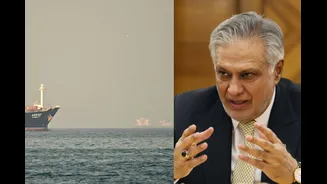
impacted by a U.S. oil blockade. The tanker is currently positioned off the coast of Cuba, carrying approximately 730,000 barrels of oil. While returning to Washington aboard Air Force One, Trump remarked that he supports any country, including Russia, that wishes to provide oil to Cuba amid the ongoing humanitarian crisis. The vessel is expected to arrive in Matanzas by Tuesday, according to tracking data.
Details of the Oil Shipment
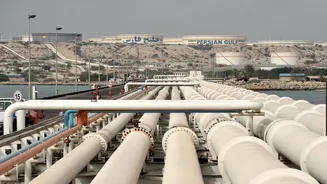
The oil tanker, named Anatoly Kolodkin, is under sanctions from the United States, European Union, and United Kingdom due to the ongoing conflict in Ukraine. Despite these sanctions, the shipment is projected to provide Cuba with about 180,000 barrels of diesel, sufficient to meet the island's daily demand for nine to ten days.
Impact of the U.S. Blockade
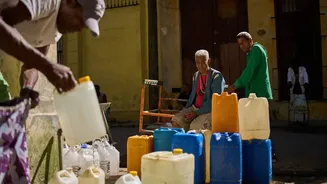
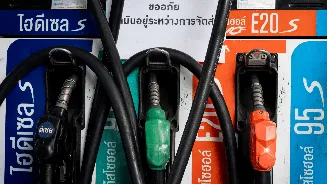
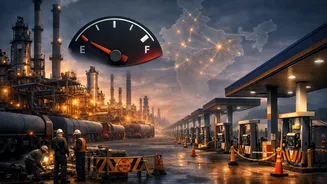
Trump's administration has implemented one of the most aggressive policies against Cuba in recent history, effectively cutting off vital oil supplies to the island. This blockade has led to severe humanitarian consequences, including widespread blackouts and shortages of gasoline and essential resources, which have significantly affected healthcare and public transport.
Geopolitical Context
Cuba has historically been a focal point in the geopolitical rivalry between the U.S. and Russia. Trump dismissed concerns that allowing the Russian tanker to deliver oil would bolster Russian President Vladimir Putin's position, stating that it would not alter the situation in Cuba, which he described as 'finished' due to its corrupt leadership.
Trump's Stance on Aid
In his comments, Trump expressed a preference for allowing the oil shipment, emphasizing the necessity for the Cuban people to receive basic needs such as heating and cooling. He reiterated that the humanitarian aspect of the situation outweighs political considerations regarding the source of the aid.