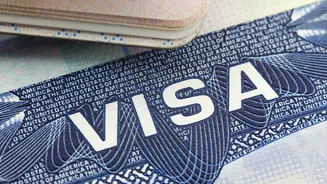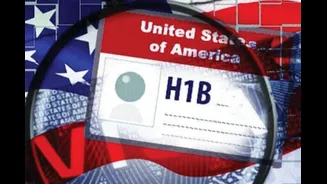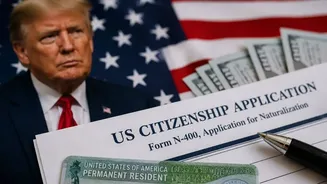









The Donald Trump administration is introducing a series of changes to the US legal immigration system this month, tightening green card rules, limiting
visa availability in some employment categories and increasing the consequences of application errors. The measures combine updated visa limits in the US State Department's July 2026 Visa Bulletin with a new Department of Homeland Security (DHS) rule that expands the government's authority to reject or deny applications over technical filing mistakes. They also coincide with broader policy guidance directing immigration officers to apply greater scrutiny when considering permanent residency applications. The changes come as the US immigration system continues to face significant demand for employment-based green cards and growing visa backlogs. Employment-Based Visa Limits Tighten According to the State Department's July 2026 Visa Bulletin, annual visa allocations have been exhausted in several high-demand employment categories. Employment-Based Second Preference (EB-2) immigrant visas for applicants from India are now unavailable for the remainder of the current fiscal year. Unreserved EB-5 investor visas for Indian applicants have also reached their annual limit, meaning no further approvals can be issued until the new fiscal year begins in October. US Citizenship and Immigration Services (USCIS) will continue using the more restrictive "Final Action Dates" chart to determine eligibility for adjustment of status applications in employment-based categories, limiting filings to applicants whose priority dates fall within the published cut-off dates. New Filing Rule Takes Effect A separate interim final rule issued by the Department of Homeland Security is due to take effect on 10 July. Under the new rule, USCIS will have broader authority to reject or deny immigration applications that do not contain a valid signature. Applications may be denied even after they have been accepted for processing, and in such cases the agency may retain the filing fees. Federal officials have said the rule is intended to standardise enforcement of filing requirements. However, applicants whose cases are denied because of technical errors may be required to submit a new application and pay a new filing fee. The changes also reflect a policy memorandum issued by USCIS in May concerning adjustment of status, the process through which eligible applicants apply for lawful permanent residence from within the United States. The guidance describes adjustment of status as a discretionary form of immigration relief and instructs officers to assess each application individually, taking into account a broad range of factors in addition to statutory eligibility. Although applicants who meet the legal requirements may still qualify for permanent residency, approval is not automatic. Immigration lawyers have said the updated guidance has contributed to increased uncertainty and more detailed review of applications. Family-sponsored visa categories recorded only limited movement in the July Visa Bulletin, with several advancing modestly while remaining subject to annual numerical caps. What Happens Next The current visa restrictions are expected to remain in effect until 30 September, when the US fiscal year ends and a new allocation of immigrant visas becomes available. Until then, applicants may face longer waiting times, reduced visa availability in certain employment-based categories and stricter enforcement of filing requirements as immigration authorities manage limited annual visa allocations.