







What is the story about?
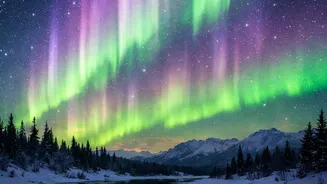
If you live in the northern United States, tonight might be worth stepping outside for. The northern lights are expected to be visible across several states
beginning late Thursday, May 14, and carrying into the early morning hours of Friday, May 15, according to the National Oceanic and Atmospheric Administration's Space Weather Prediction Center. And the show might not stop there. Geomagnetic activity is forecast to continue through May 16, meaning there could be more chances to catch the aurora through the weekend.
When to Look Up
The best window for viewing is generally between 10 p.m. and 2 a.m. local time, though that can shift depending on where you are and how conditions develop. Geomagnetic activity is expected to peak between 11 p.m. and 2 a.m., which is when moderate geomagnetic storms could push the auroras far enough south to be visible across a wider area.Which States Can See the Northern Lights
How far south the lights will be visible depends on whether the geomagnetic storm reaches a G1 to G2 level, which is mild to moderate, or climbs to G3, which is considered strong. Canada is expected to get the clearest and most intense views this time around, but the following US states all have at least a shot at catching the lights, according to NOAA's forecast map:Washington, Idaho, Montana, North Dakota, Minnesota, Michigan and Wisconsin.
Weather conditions in your specific location will also play a role, so it is worth checking local forecasts before heading out.
What Are the Northern Lights?
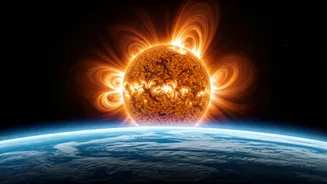
The aurora borealis is a glowing light display that appears around the magnetic poles of the Northern Hemisphere. Those ribbons of colour in the night sky are actually the result of a collision between electrically charged particles from the sun and gases in Earth's atmosphere.The Southern Hemisphere has its own version, known as the aurora australis or southern lights, which puts on a similar display from the other end of the planet.