







Crude oil prices moved higher in early Asian trading on Wednesday, extending their upward run for a fourth consecutive session as markets continued to
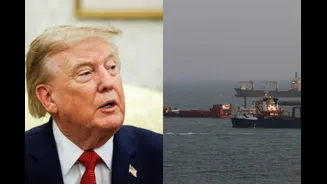
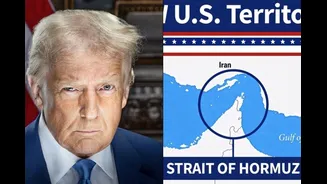
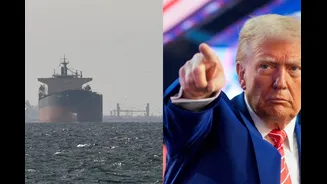
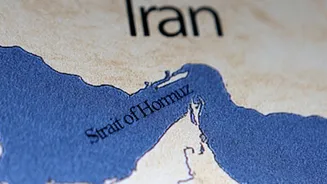
assess the potential impact of the escalating US-Iran conflict on global energy supplies. The key concern for traders remains the Strait of Hormuz, one of the world's most important oil shipping routes. Conflicting statements from Tehran and Washington over whether the waterway is open to shipping have added another layer of uncertainty to an already tense market. Brent crude futures climbed 26 cents, or 0.29 per cent, to $91.28 a barrel, while US West Texas Intermediate (WTI) crude advanced 37 cents to $85.31 per barrel. The Strait of Hormuz has emerged as a major focal point for oil investors as the conflict raises concerns over the uninterrupted movement of crude through the region. US President Donald Trump said on Tuesday that Washington was not engaged in negotiations with Tehran and maintained that the Strait of Hormuz remained open. His remarks contradicted Iran's position that the strategically significant waterway remained closed to shipping. The uncertainty has left traders closely monitoring developments for signs of disruptions to crude flows. Any prolonged restriction affecting shipping through the Strait could intensify concerns about global supplies and place additional upward pressure on oil prices. Iran Adopts A Harder Military Stance The market is also reacting to the deterioration in diplomatic prospects between Washington and Tehran. A temporary ceasefire came to an end on Monday. According to Reuters, a senior Iranian official said Iran was moving towards a “fully offensive” military posture as efforts to resolve the standoff remained deadlocked. There were, however, no reports of fresh attacks by either side on Tuesday. The absence of new strikes offered some relief, but investors remained cautious given the uncertainty surrounding the next phase of the conflict. The possibility of a prolonged confrontation continues to be a key risk for energy markets, particularly because of the region's importance to global oil transportation. Iraq Looks For Alternative Oil Export Routes As concerns over shipping through the Strait of Hormuz grow, Iraq is taking steps to reduce its dependence on the route. Iraq's cabinet approved a mechanism on Tuesday allowing crude exports through specialised international and domestic companies using multiple alternative routes, according to the government. Under the plan, contracts will remain valid for three months starting September 1. The move highlights how oil-producing countries are exploring alternatives as geopolitical risks threaten established shipping channels. Meanwhile, disruptions are already affecting some shipping activity. Two major Chinese shipping companies have stopped moving oil tankers through both the Strait of Hormuz and the Bab al-Mandeb Strait amid the intensifying Middle East conflict.