





What is the story about?
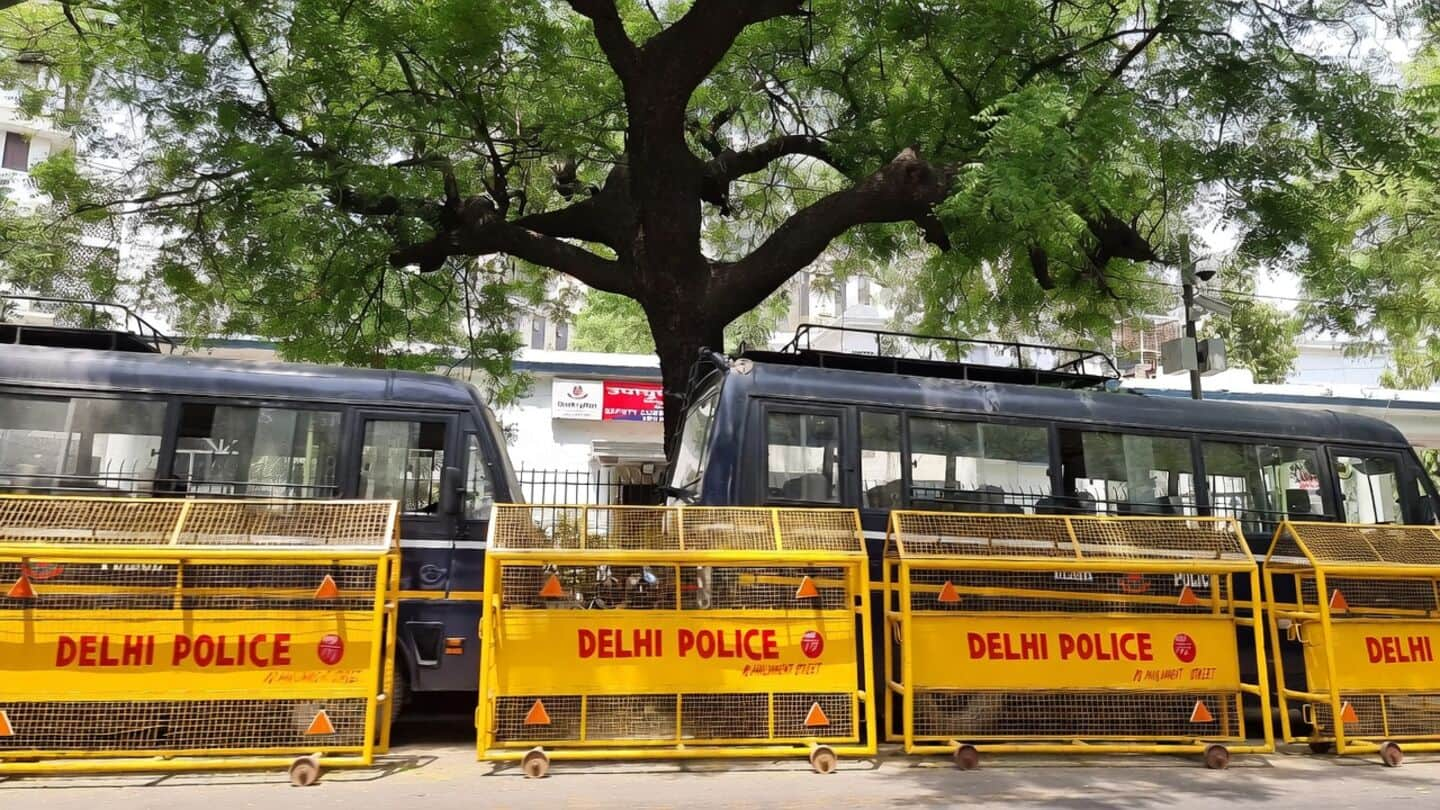
The Cockroach Janta Party (CJP) on Friday alleged that Delhi Police had deployed facial recognition vans at the Jantar Mantar protest site. The party raised
concerns over the alleged invasion of privacy, and the collection and use of protesters' biometric data.
CJP's 3 Big Questions About Facial Recognition Vans
In a post on social media, the organisation described the protest venue as "a protest site, not a digital open-air prison" and questioned the legal basis for the alleged live scanning of demonstrators.
"UNDER WHAT LAW IS THIS LEGAL?
Supreme Court ruled that Privacy is a Fundamental Right (Puttaswamy case). Mass-scanning citizens exercising their legal right to protest is unconstitutional.
"WHERE IS THIS DATA COMING FROM?
How are these AI systems identifying youth live on site? Are national databases, Aadhaar records, and public registries being illegally cross-matched to turn citizens into targets?
"HOW WILL THIS DATA BE WEAPONISED?
Who stores these facial scans? How long will they be kept? Are secret registries being built to shadow-ban, intimidate, and target students for demanding accountability?"
The group claimed that facial recognition vans were being used to identify protesters in real time and sought clarity on the source of the data being used by the systems.
CJP also questioned whether databases such as Aadhaar records or other public registries were being linked to the technology and asked how any collected data would be stored, processed or retained. Referring to the Supreme Court's landmark Puttaswamy judgment, which recognised privacy as a fundamental right, the group argued that mass surveillance of citizens participating in a lawful protest would raise constitutional concerns.
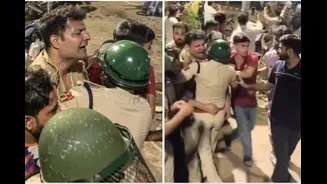
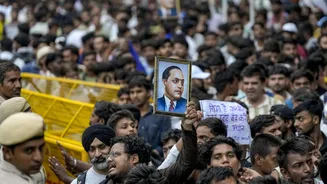
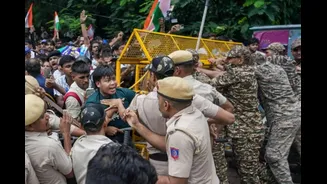
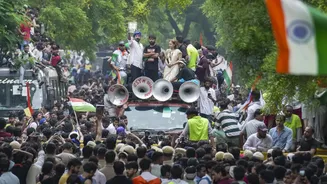
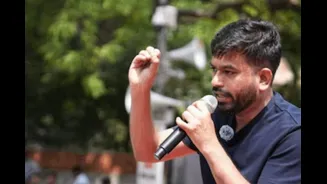
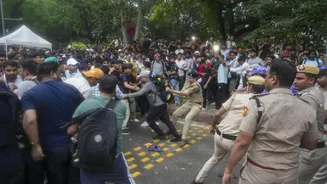
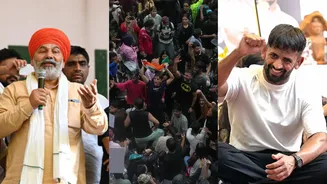
The allegations come amid heightened security around the ongoing anti-paper leak protests at Jantar Mantar, which have witnessed clashes between demonstrators and police over the past week. The agitation, led by CJP and supported by activist Sonam Wangchuk, has grown into one of the largest youth-led protests against the Centre in recent years.
The facial recognition issue has already reached the Delhi High Court through a public interest litigation alleging intrusive surveillance of protesters. During the hearing, Delhi Police denied carrying out any unlawful snooping and told the court that any recording or monitoring was being undertaken solely to maintain law and order. The force argued that surveillance measures were aimed at ensuring public safety and preventing disturbances.
Recent reports indicate that Delhi Police has been using AI-assisted facial recognition and video analytics tools to identify individuals allegedly involved in violence during the protests. Investigators are also analysing CCTV footage, facial recognition camera feeds and social media posts as part of multiple FIRs registered after clashes near Parliament Street and Jantar Mantar.
The controversy comes days after violence during the CJP-led "Sansad Chalo" march left more than 170 people, including protesters and security personnel, injured. Several FIRs have since been registered, and police have intensified efforts to identify those allegedly involved in the clashes.
Delhi Police has not yet issued a fresh response to CJP's latest allegations regarding the deployment of facial recognition vans at the protest site.