






Iran has been elected to the General Committee of the International Atomic Energy Agency (IAEA) General Conference, Iran's mission to the United Nations
in Vienna said. In a post on its X account on Tuesday, the Iranian mission said IAEA member states had voted in favor of Iran's membership, describing the outcome as a rejection of attempts to use unilateral pressure to influence the agency's collective decisions, Press TV reported. This comes despite US efforts to prevent the election. "Despite US efforts to obstruct Iran's participation in the General Committee, IAEA Member States made their choice: they voted in favor of Iran." Behrouz Kamalvandi, spokesman for the Atomic Energy Organisation of Iran (AEOI), also said the United States had made extensive efforts in recent days to prevent Iran from joining the committee, Mehr news agency reported. According to Kamalvandi, those efforts ultimately failed and the issue was put to a vote. He said the United States was defeated by a wide margin in the vote compared with the support Iran received. The Iranian mission said the result was a sign that the international community would not allow unilateral pressure to determine collective decisions within the IAEA.
Top military brass from US, Israel, 7 Arab states hold private meeting
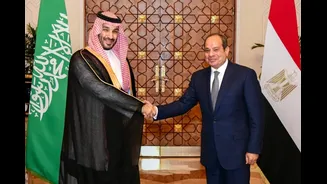
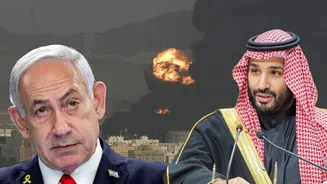
Last week, top military commanders from the US, Israel and seven Arab nations held a private meeting in Germany to discuss the ongoing war with Iran and the escalating security situation across the Middle East, according to an Axios report citing two Israeli officials. The meeting, organised by US Central Command chief Adm. Brad Cooper, was not publicly announced by any of the participating governments. It was reportedly the first gathering of its kind since the US and Israel went to war with Iran more than six months ago.
The discussions assembled senior military figures representing Israel alongside Saudi Arabia, the United Arab Emirates, Bahrain, Kuwait, Qatar, Jordan, and Egypt.
This diplomatic and military alignment carried heightened significance given that several of the participating Arab states maintain no formal diplomatic relations with Israel.
The high-level discussions unfolded against a backdrop of intensified Houthi assaults directed against Saudi Arabia alongside widening territorial control around the Bab al-Mandeb Strait.