






What is the story about?
Muslims worldwide are preparing to celebrate Eid al-Fitr, marking the conclusion of Ramadan, a month dedicated to fasting, prayer, and reflection. This
festive occasion is characterized by communal prayers, family gatherings, and the exchange of gifts and well-wishes. This year's Eid festivities arrive against the backdrop of significant geopolitical tensions, particularly the ongoing conflict in Iran, which has affected many communities across the Middle East and beyond.
The Significance of Eid al-Fitr
Eid al-Fitr, which translates to the festival of breaking the fast, signifies the end of Ramadan, a month when Muslims engage in daily fasting from dawn until sunset. This period is traditionally associated with heightened worship, charitable acts, and community gatherings that celebrate the conclusion of fasting.Eid al-Fitr's Lunar Calendar Cycle
Following the lunar calendar, the dates of Ramadan and Eid vary each year. This year, the first day of Eid al-Fitr is anticipated to fall on or around March 20, although the exact date may differ based on local observations and community traditions.Traditional Greetings for Eid
During Eid celebrations, it is customary to greet others with phrases such as 'Eid Mubarak,' which means 'Blessed Eid,' or simply 'Happy Eid.'Eid Traditions Across the Globe
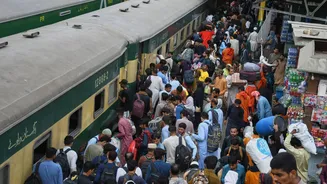
In Indonesia, a significant tradition involves a mass return to hometowns, where families gather for prayers and communal celebrations. Major cities experience an influx of individuals returning to their villages, emphasizing the importance of family during this festive time.Similarly, in Malaysia, the holiday begins with morning prayers at mosques, where forgiveness is sought from family and friends, and visits to the graves of loved ones are customary. The open house tradition allows friends and family to visit one another, enjoying traditional dishes together.
In Egypt, families participate in Eid prayers, followed by visits to relatives and friends, and many travel to holiday destinations. Children often receive cash gifts known as 'eidiya' while wearing new outfits to mark the occasion. Baking or purchasing Eid cookies, typically dusted with powdered sugar, is a common practice as well.
In the United States, where Muslims represent a diverse ethnic and racial minority, communities come together for prayers and celebrations featuring activities for families and children, including face painting and balloon twisting.