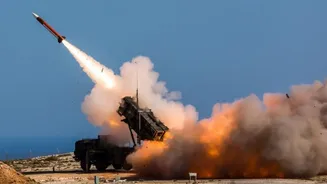








Iran has unveiled a new underground missile launcher capable of firing two rockets simultaneously, releasing footage of the weapon in what appears to be
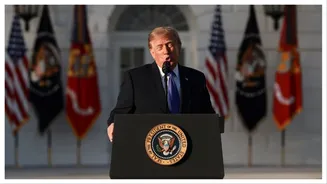
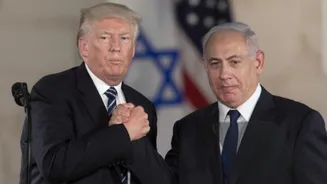
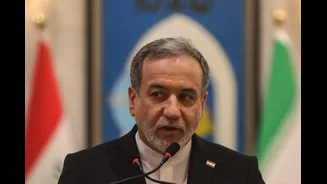
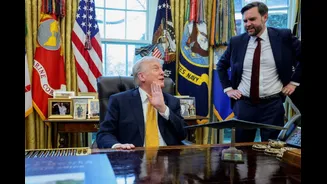
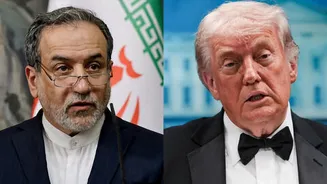
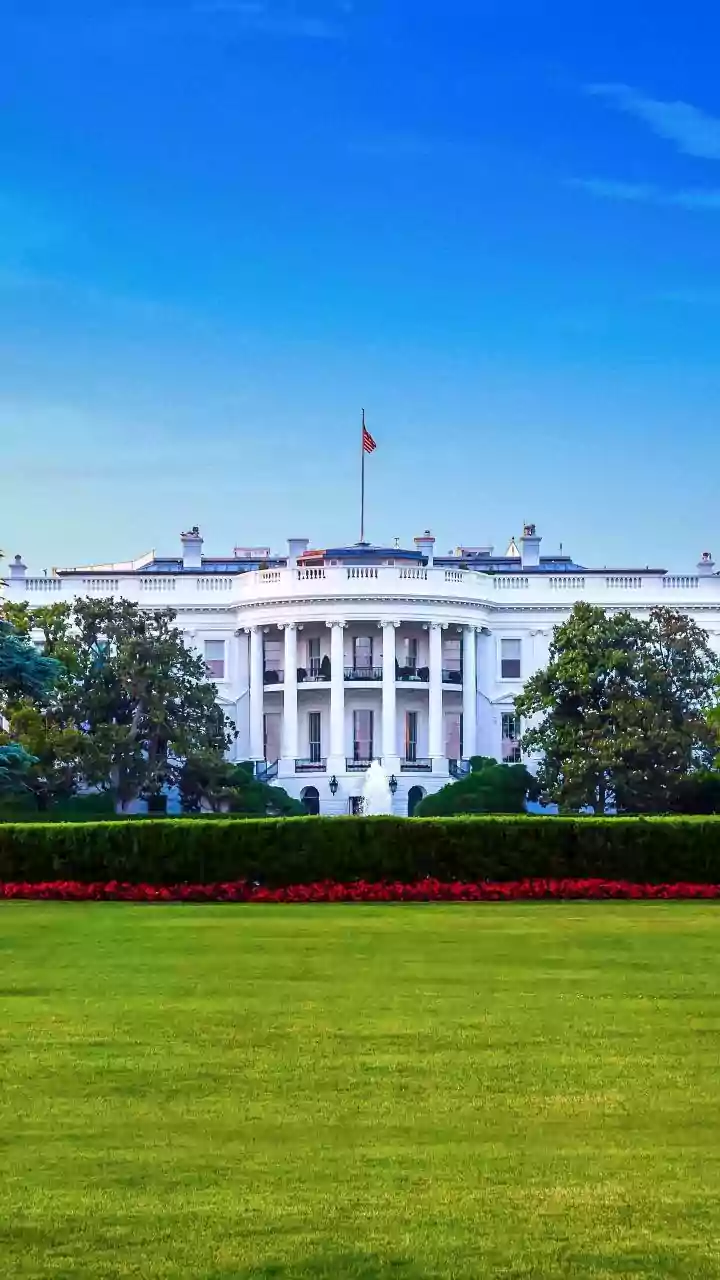
a warning to US President Donald Trump as Washington considers renewed military action against Tehran. Videos released on Sunday (November 22) by Iran's semi-official Fars News Agency showed Islamic Revolutionary Guard Corps (IRGC) commanders touring an extensive underground military facility containing rows of missiles, launch systems and other military equipment. The newly displayed launcher is designed to fire two liquid-fuelled missiles simultaneously, marking the first public demonstration of the system. Its unveiling comes amid questions over the extent of damage inflicted on Iran's missile capabilities during the recent conflict with the United States and Israel. Liquid-fuelled missiles offer operators greater flexibility in adjusting speed and flight trajectories. Their deployment from underground facilities could also make detection and destruction more difficult for American and Israeli forces. Iran's IRGC Aerospace Force had previously demonstrated a launcher capable of firing two solid-fuelled missiles simultaneously on April 7. Sunday's footage, however, showcased a newly developed liquid-fuel system. Iran showcases missile capabilities amid US strike threats IRGC Commander-in-Chief Major General Ahmad Vahidi visited the underground facility and received briefings on military readiness and recent developments in Iran's missile programme. Brigadier General Seyyed Majid Mousavi, commander of the IRGC Aerospace Force, claimed that Iran had significantly expanded its military capabilities despite the recent fighting. “We have integrated ‘surprises’ and highly effective assets into our combat structure,” Mousavi said. The footage showed Mousavi travelling through underground tunnels in a Jeep as military personnel presented an extensive collection of missiles and launch equipment. It also featured a handwritten message directed at the White House, stating: “At the White House, being a b—–d isn’t an insult; it’s a qualification standard.” The display appeared intended to challenge Washington's claims that Iran's missile programme had been severely weakened by the conflict and demonstrate that Tehran retains weapons capable of threatening US and allied military positions. Trump weighs fresh military action against Iran Trump has repeatedly described the American military campaign against Iran as a major success, declaring a “very big victory” and saying the war was “effectively over”. Earlier this month, he told reporters at the White House that Washington was maintaining the existing situation but remained “locked and loaded” if circumstances changed. The US president also directed Vice President JD Vance to halt negotiations with Tehran over its nuclear programme. However, the possibility of another American offensive remains under consideration. Reports by The New York Times and Axios have suggested that Trump is weighing a four-to-seven-day bombing campaign against Iran in coordination with Israel, following fresh intelligence assessments about Tehran's efforts to rebuild its missile capabilities. The reports emerged after Mossad chief Roman Gofman travelled to Washington and reportedly urged American officials to consider another round of strikes. Israel has also reportedly warned the White House about advances in Iran's chemical and biological weapons programmes. Any renewed military campaign could target Iran's missile arsenal, although energy infrastructure and other military facilities may also be considered. Iran first released footage of its underground “missile city” earlier this month, showcasing what it described as an extensive subterranean weapons network designed to protect its arsenal from aerial attacks. The weapons displayed included the Fattah, which Tehran describes as a hypersonic missile, and the long-range Khorramshahr missile. Some equipment was deliberately blurred in the footage, apparently to conceal details of Iran's remaining military capabilities. The underground network could complicate future US and Israeli military operations by providing protected storage and launch facilities for weapons that may have survived previous attacks.