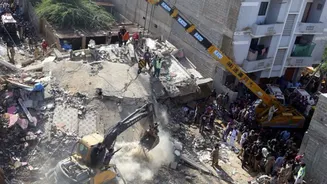





At least 19 people were killed and 16 others injured on Wednesday when two adjoining four-story residential buildings collapsed in Fez, one of Morocco’s
oldest and most densely populated cities, according to state media. Authorities reported that the buildings, located in the Al-Mustaqbal neighbourhood and housing eight families, had long exhibited signs of neglect. According to the Fez prefecture, local officials, security forces, and civil protection teams rushed to the site shortly after midnight, launching search and rescue operations amid the debris. The state broadcaster SNRT reported that preliminary assessments showed the buildings had visible cracks and signs of structural deterioration “for some time,” with no effective preventive measures taken. The Interior Ministry did not immediately comment and Reuters reported that it could not independently verify the extent of the damage or the cause of the collapse.
At least 19 people were killed, and 16 were injured overnight in the collapse of two residential buildings in Morocco’s northeastern city of Fez, according to local authorities. pic.twitter.com/EfMJzBkTcW
— Ariel Oseran أريئل أوسيران (@ariel_oseran) December 10, 2025
The tragedy strikes at a tense time for Fez, a former imperial capital dating back to the eighth century. Just two months ago, the city was engulfed in nationwide protests over worsening living conditions, unemployment and failing public services.
Largely led by young people, the unrest later spread to rural towns, where demonstrations turned violent. Three people were shot dead while attempting to storm a security headquarters, and more than 400 arrests were reported before order was restored.
Notably, Morocco's economic activity and key infrastructure remain largely concentrated in the northwest, leaving many areas -- including parts of Fez -- grappling with chronic problems such as inadequate housing, limited services and uneven development. At the same time, the government has been moving ahead with major infrastructure projects and preparing new stadiums for the 2030 FIFA World Cup, which Morocco will co-host.