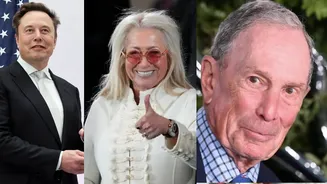





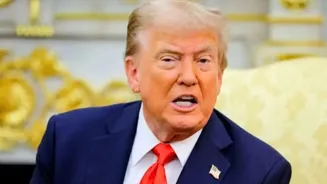
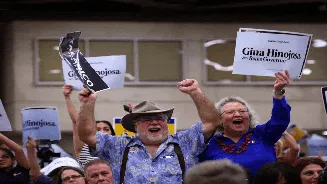
American billionaires poured billions of dollars into the 2026 US midterm elections, but the results showed that even enormous campaign contributions could
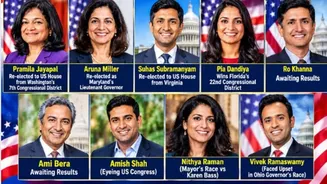
not guarantee political victories. Several of the wealthiest donors who backed Republican candidates suffered major setbacks after Democrats secured control of both chambers of Congress. According to The New York Times, 20 individuals contributed more than $2 billion to federal races during the election cycle, while Al Jazeera reported that the 50 largest donors collectively gave nearly $2.8 billion. Political transparency group OpenSecrets found that just one per cent of donors accounted for 98 per cent of contributions to outside groups. Much of the spending favoured Republican campaigns, making the Democratic victories particularly significant for some of the country's biggest political donors. Elon Musk tops billionaire spending Tesla and SpaceX chief Elon Musk was the biggest individual political spender, with OpenSecrets estimating his outside spending at $445.5 million during the 2025-26 election cycle. Musk directed money through several organisations, including America PAC, which he established to support Donald Trump's 2024 presidential campaign. His spending focused heavily on Republican candidates in key Senate and House contests. A significant portion went towards supporting Texas Republican Ken Paxton, who lost the Senate race to Democrat James Talarico. Industrial supplies billionaire Richard Uihlein was another major Republican donor, spending an estimated $142 million. His contributions supported conservative political action committees and candidates across the country. Finance billionaire Jeff Yass spent approximately $109 million, with a major focus on Ohio's gubernatorial contest. Republican candidate Vivek Ramaswamy lost to Democrat Amy Acton, who secured 52 per cent of the vote against his 45 per cent. Miriam Adelson's Republican bets fall short Casino billionaire Miriam Adelson contributed an estimated $66.1 million to Republican-aligned groups and campaigns, including Senate battleground efforts. However, Democratic victories in key states such as Maine and Michigan helped the party capture control of the Senate. Hedge fund manager Paul Singer was also among the Republican-aligned donors whose political investments faced setbacks. Bloomberg's Democratic spending pays off Former New York mayor Michael Bloomberg spent an estimated $57.9 million, according to OpenSecrets, supporting Democratic candidates, gubernatorial races and gun-safety initiatives. The New York Times put his pledged spending above $80 million. Democratic donor Reid Hoffman also backed successful campaigns, including Talarico's Texas Senate bid. Northwestern University law professor Michael Kang told Newsweek that billionaire spending highlighted the growing influence of wealth in American elections. He argued that super PACs allow wealthy donors to channel enormous sums into political campaigns while avoiding many campaign finance restrictions. Despite the Democratic victories, Kang said campaign money would continue to matter, potentially giving billionaires an even greater influence in the 2028 elections.