



What is the story about?
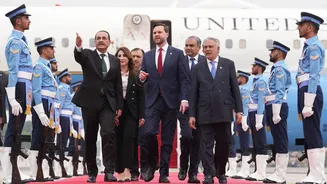
On Tuesday, Lebanon and Israel commenced their first direct diplomatic discussions in decades at the U.S. State Department in Washington, D.C. This meeting
follows a month of intense conflict between Israel and the Hezbollah militant group, which has raised significant concerns in the region. U.S. Secretary of State Marco Rubio characterized the talks as a "historic opportunity," while emphasizing that immediate breakthroughs were unlikely. He noted the complexities and historical challenges that both nations face in seeking resolution.
U.S. Officials Facilitate Talks
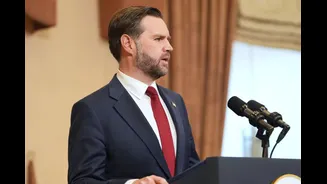
Rubio expressed satisfaction with the U.S. role in facilitating the dialogue, acknowledging the long-standing issues that have led to this moment. He stated, "We can begin to move forward with a framework where something can happen, something very positive, something very permanent, so that the people of Lebanon can have the kind of future they deserve, and so that the people of Israel can live without fear."U.S. Ambassador to Lebanon Michel Issa, along with Israeli Ambassador to the U.S. Yechiel Leiter and Lebanese Ambassador to the U.S. Nada Hamadeh Moawad, are leading the discussions, which have garnered significant attention from international observers.
Hezbollah's Opposition and Regional Tensions
Despite the diplomatic efforts, Hezbollah, which is not participating in the talks, has intensified its military actions against northern Israel, launching 24 attacks on the same day the discussions began. The Lebanese government hopes that these talks will contribute to an end to the ongoing war.Hezbollah's critics argue that the Lebanese government lacks the necessary leverage to negotiate effectively. Wafiq Safa, a senior member of Hezbollah's political council, stated that the group would not adhere to any agreements reached in the discussions.
Casualties and Humanitarian Concerns
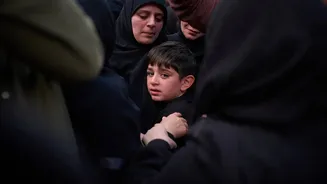
The ongoing conflict has resulted in significant casualties, with the Lebanese Health Ministry reporting at least 2,124 deaths due to Israeli strikes, including many women and children. More than 1 million people have been displaced as a result of the violence.Israeli officials have indicated that any return of displaced persons to southern Lebanon will depend on the demilitarization of the area, asserting that the safety of northern communities is a priority.
Historical Context of the Talks
This round of talks marks the first direct engagement between Israel and Lebanon since 1993. The Lebanese government has proposed a truce as a precondition for negotiations, reflecting a desire to prevent further escalation.Lebanese President Joseph Aoun emphasized the need for diplomatic solutions, stating, "Israel’s destruction of Lebanese territories is not the solution, nor will it yield any results." Meanwhile, Israel's Foreign Minister Gideon Saar has underscored that the primary issue lies with Hezbollah, not Lebanon.