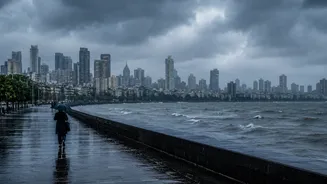










Heavy rain lashed parts of Delhi on July 2, providing significant relief from the oppressive heat that has gripped the national capital in recent days.
The India Meteorological Department (IMD) responded to the sudden change in weather by issuing a yellow alert for the Delhi-National Capital Region (NCR), indicating the possibility of moderate rain and strong winds. The rainfall began on Thursday night, with the IMD reporting a notable drop in maximum temperatures, which had previously ranged between 33°C and 34.8°C. This change marked a welcome respite from the high temperatures that had characterised the preceding days. The IMD forecasts that the maximum temperature for July 2 is expected to remain between 32°C and 34°C, alongside continued light rain and gusty winds. According to Naresh Yadav, a senior scientist at the IMD, the advancement of the monsoon across North India is responsible for these weather changes. "The monsoon is set to cover more areas in the coming days, enhancing rainfall across the region," Yadav stated. He also highlighted that other states, including Punjab and Haryana, are experiencing rainfall as the monsoon progresses. Residents of Delhi have welcomed the rain, which has provided much-needed relief from the heat. The IMD has noted that the rainfall is accompanied by strong surface winds, which could reach speeds of 50-60 km/h. The weather department has advised residents to remain vigilant and take precautions during this period of inclement weather. Surinder Paul, IMD Director, confirmed that the monsoon has already reached parts of Punjab and Haryana, with rainfall reported from several districts. He indicated that the system is likely to cover the remaining regions within the next few days, bringing widespread showers and further alleviating the heat and humidity that have affected the area. In addition to the yellow alert for Delhi-NCR, the IMD has issued a red alert for extremely heavy rainfall in other parts of India, including the Konkan region, Goa, and South Gujarat. These alerts signal the need for residents in these areas to take immediate precautions against severe weather conditions. The IMD continues to monitor weather patterns closely, and the public is encouraged to stay informed through official updates. As the monsoon season unfolds, further developments in weather conditions are expected.