




Saudi Arabia, Türkiye and Pakistan are preparing an urgent meeting of their military chiefs as Houthi attacks on the kingdom intensify, bringing the newly
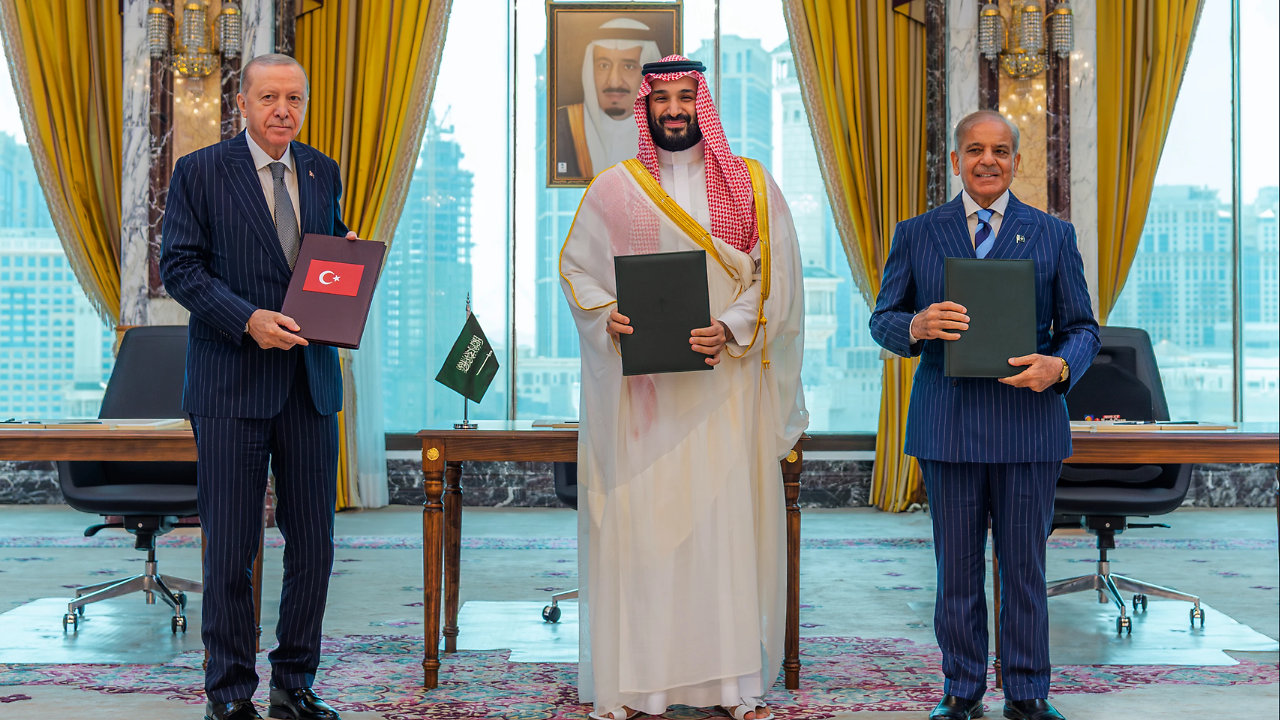
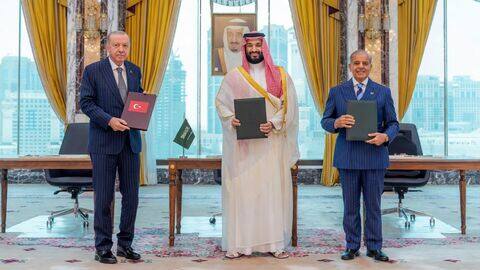
signed Mecca Joint Defence Agreement into its first major crisis since it was established. The planned meeting was discussed by Saudi Foreign Minister Prince Faisal bin Farhan, Pakistan’s Deputy Prime Minister and Foreign Minister Ishaq Dar and Turkish Foreign Minister Hakan Fidan during talks in New York on Thursday. According to Saudi state media, the three ministers discussed ways to support Saudi Arabia under the pact, although no date has been announced for the military chiefs’ meeting and the nature of any potential assistance remains unclear. The agreement, signed on August 7, provides that an armed attack against any one of its three members will be treated as an attack against all. Its mechanisms are still being built out. At their first Strategic Political and Defence Committee meeting in Istanbul on August 31, the three countries agreed to establish a secretariat in Saudi Arabia and deepen military cooperation.
Pact faces its first real battlefield test
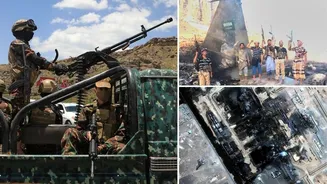
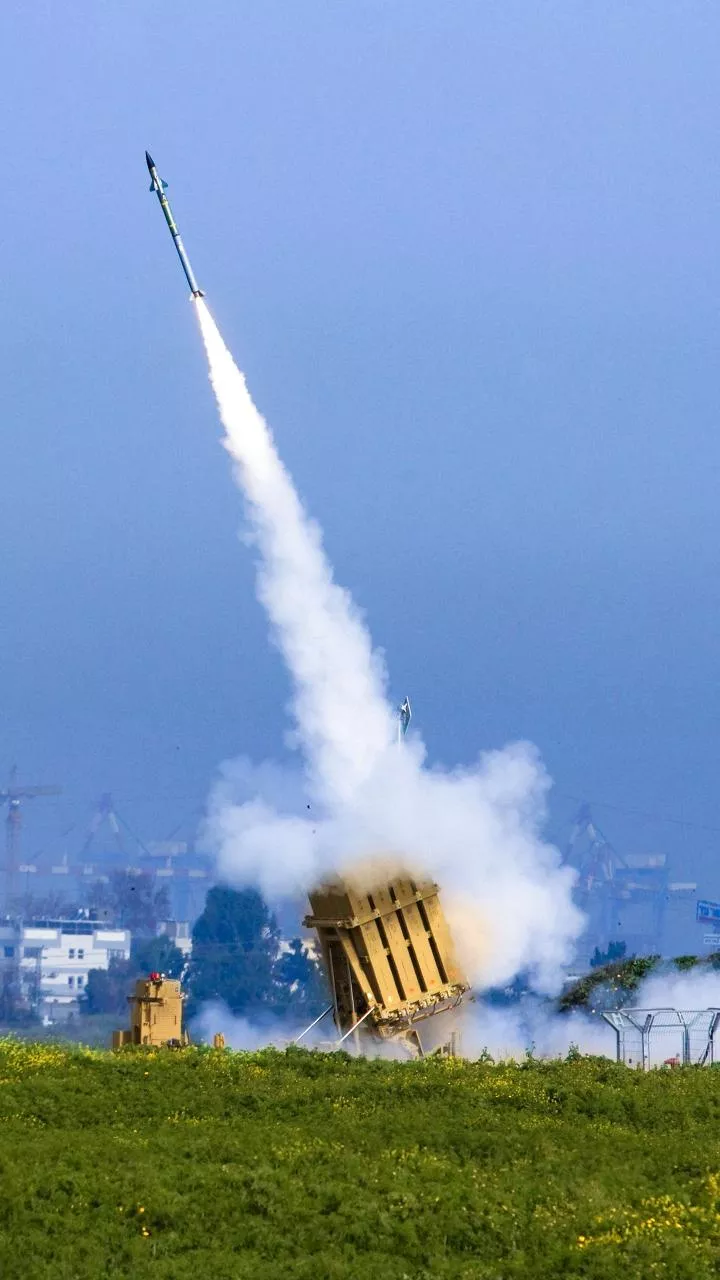
The urgency comes after Saudi Arabia reported another Houthi missile barrage. Saudi authorities said their air defences intercepted six ballistic missiles launched towards Taif and the Yanbu area on Thursday. The Houthis separately claimed missile and drone attacks against what they described as a “sensitive target” in Riyadh and facilities linked to Saudi Aramco in Yanbu.
Saudi officials have not confirmed damage or casualties from the latest attacks. The coalition spokesman, Major-General Turki al-Malki, warned that further Houthi escalation would be dealt with firmly.
The attacks are also placing pressure on Saudi energy infrastructure at a sensitive moment. Houthi strikes and their declared naval blockade have raised concerns over the kingdom’s ability to move oil through the Red Sea, particularly as disruptions continue around the Strait of Hormuz.
Türkiye has already signalled that it is prepared to help meet Saudi military requirements under the defence agreement. Pakistan has also reiterated its commitment to the pact, although Islamabad has so far emphasised diplomacy and regional de-escalation.
Yemen fighting widens the pressure
The crisis is not confined to Saudi territory. Fighting has intensified inside Yemen, particularly around the Kahboub Mountains and areas between Lahj and Taiz overlooking the Bab el-Mandeb Strait. The Houthis have also expanded their presence along parts of Yemen’s Red Sea coast, increasing their proximity to one of the world's major maritime chokepoints. The internationally recognised Yemeni government has urged greater international involvement, warning that Houthi control around the strait could affect global trade and freedom of navigation.
The renewed fighting is also driving a fresh displacement crisis. UNHCR said on September 22 that about 128,000 people had been newly displaced inside Yemen since the latest escalation began, adding to an estimated 5.2 million people already internally displaced.
For Riyadh, the immediate question is how much support its new partners are prepared to provide. For Türkiye and Pakistan, the coming military-level discussions could establish how the Mecca agreement works when one of its members faces sustained attacks — and whether the pact remains primarily a framework for deterrence or begins translating into concrete military cooperation.