





India is weighing the purchase of Israel’s Iron Beam laser weapon system as part of an expanded defence cooperation agenda expected to be discussed during
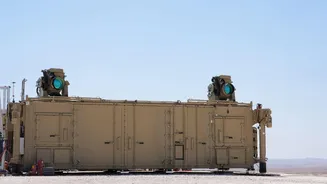
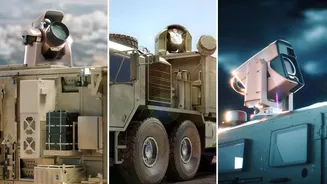
Prime Minister Narendra Modi’s upcoming Israel visit. The move comes amid New Delhi’s push to build an “impregnable” multi-layered air defence shield capable of neutralising drones, rockets and missile threats. The proposed Israel India defence deal could significantly deepen strategic ties between the two nations. Iron Beam Israel is a 100kW-class high-energy laser weapon system designed to intercept short-range rockets, mortars and unmanned aerial vehicles. Developed to complement Israel’s Iron Dome missile defence system, it offers interception at a fraction of the cost of conventional missiles. Defence analysts note that each Iron Beam laser system shot reportedly costs only a few dollars, making it economically viable against swarm drone attacks.
Iron Beam And India’s Air Defence Vision
India’s interest in the Iron Beam laser system aligns with its broader Mission Sudarshan plan to create a layered air defence architecture by 2035. The Indian Army and Defence Research and Development Organisation (DRDO) have already tested a 30-kW Directed Energy Weapon under the Mk-II(A) programme. However, Iron Beam’s higher power output could enhance interception capability against faster and more resilient aerial threats.
The integration of Iron Beam India into the Sudarshan Chakra framework would complement systems such as Barak-8 MR-SAM and LR-SAM. India is also studying elements of Israel’s Arrow and David’s Sling systems to improve long-range interception. Operation Sindoor last year underscored the evolving nature of drone and missile warfare in the region, accelerating New Delhi’s search for next-generation deterrence tools.
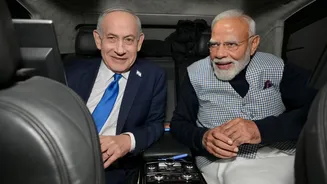
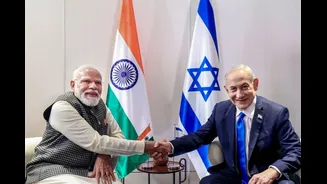
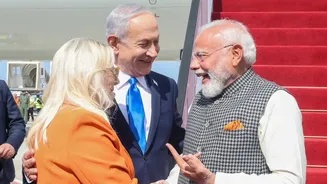
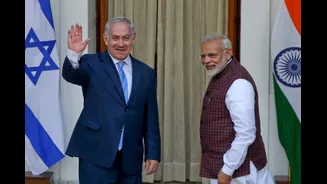
Israeli Prime Minister Benjamin Netanyahu has publicly linked Modi Israel visit discussions to expanded security cooperation. Speaking ahead of the visit, Netanyahu described India as a “global power” and hinted at a broader strategic alignment involving Middle Eastern and Mediterranean partners. He indicated that defence and security cooperation would feature prominently in bilateral talks.
The anticipated MoU on defence cooperation is expected to build upon agreements signed during previous high-level visits. Last November, defence secretary Rajesh Kumar Singh’s trip to Israel resulted in commitments to joint development and co-production of advanced systems. The new framework may formalise collaboration on drones, long-range missiles and Israel laser weapons India procurement.