








What is the story about?
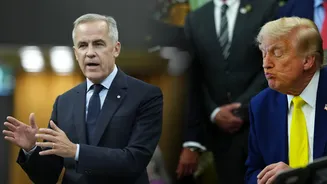
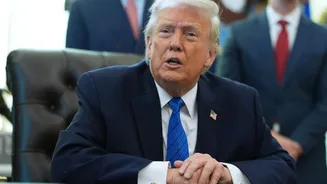
US President Donald Trump has warned that he could impose major tariffs on the European Union if the bloc moves ahead with a proposal to give Canada “associate
member” status. Speaking to reporters in North Carolina on Wednesday evening, Trump said he might view the arrangement as a hostile action. He also said the US could restrict trade with Europe in several areas. “If they do that, if I think it’s at all a hostile act, I will put very serious tariffs or stop trading with Europe on many things,” Trump said, according to the Financial Times.
Proposal backed by EU chief
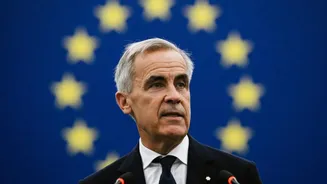
European Commission President Ursula von der Leyen supported the idea during her annual address to the European Parliament on Wednesday.With Canadian Prime Minister Mark Carney in the audience, von der Leyen said she wanted to explore making Canada the EU’s first associate member.
Carney is expected to address the European Parliament on Thursday. He has argued for stronger cooperation among medium-sized countries as they respond to China’s influence and uncertainty linked to US tariffs and threats involving NATO.
The EU does not currently have a formal system for associate membership. The proposal would therefore require approval from all 27 EU member states.
Brussels rejects hostile-act description
Olof Gill, a spokesperson for the European Commission, rejected the suggestion that closer ties with Canada were aimed at the United States.Gill said von der Leyen had already made clear that the proposal was intended to strengthen the partnership between Europe and Canada, not to act against another country.
Any new US tariffs on the EU could violate the trade agreement reached by Washington and Brussels last year. It could also increase economic tensions between the two sides.
US-Canada trade dispute
Trump’s warning comes during a continuing trade dispute between Washington and Ottawa. The Trump administration imposed 50 per cent tariffs on a wide range of Canadian imports over the summer, accusing Canada of unfair trade practices.Negotiations on tariffs affecting cars, steel and aluminium collapsed last month. The talks have not officially resumed.
US officials blamed Carney for ending the negotiations at the final stage. Canadian officials, meanwhile, said Washington had not offered enough concessions, particularly on tariffs affecting trucks.
The dispute has added pressure to discussions about Canada’s future relationship with the EU, as well as to wider economic ties between Europe and the United States.