





US President Donald Trump's proposal to collect a 20% "reimbursement" on all cargo shipped through the Strait of Hormuz could translate into a roughly
$30 million charge for every fully loaded crude oil supertanker. The estimate, calculated in a Bloomberg report, is based on current crude prices of around $80 a barrel and a typical Very Large Crude Carrier (VLCC) carrying 2 million barrels of oil. At that value, a full cargo is worth about $160 million, making Trump's proposed 20% fee approximately $32 million, or roughly $30 million per voyage. For comparison, Iran has previously charged up to $2 million per voyage on an ad hoc basis, according to people familiar with the matter. Trump unveiled the proposal while announcing that the US would act as the "GUARDIAN" of the Strait of Hormuz and that, "as a matter of FAIRNESS," it should be reimbursed for protecting the vital shipping lane. "We’re going to keep the strait, and we’ll probably run it. We'll become the guardian of the strait. Maybe we’ll call it the guardian angel of the strait. And we should be reimbursed for that," he said in a phone interview with Fox News. The White House, however, has not explained how such a fee would be collected or whether it has been discussed with US allies in the Gulf.
Why Hormuz is critical for ceasefire
The battle for control over Hormuz is seen as critical to both the US and Iran as a fragile ceasefire has fallen apart. Iranian Foreign Minister Abbas Araghchi has in fact agreed with the toll system in Hormuz.
“Absolutely right. Whoever provides secure and safe passage of commercial vessels through the Strait of Hormuz should be compensated for this service.” He said that “20% is of course too much,” adding, “We will be fair.”
Trump has claimed that Iran agreed to what he described as a "perfect deal" with Washington, then launched a drone strike on a commercial vessel within an hour of the agreement.
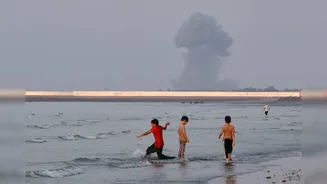
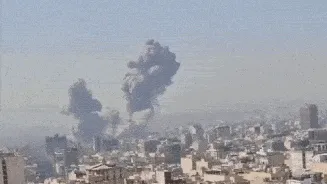
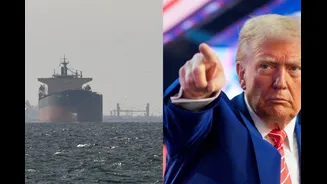
The series of tit-for-tat attacks was triggered after a container ship came under attack in the strait off the coast of Oman.
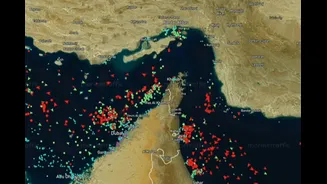
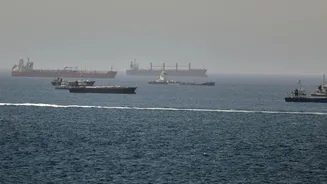
The narrow mouth of the Persian Gulf has seen shipping disrupted since the start of the US-Israel-Iran war. The strait accounts for about a fifth of the world’s oil and gas flows.