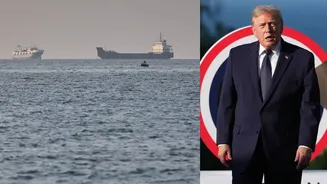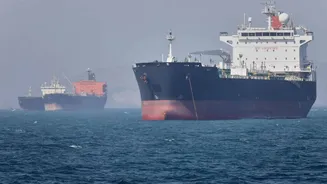





Shipping traffic through the Strait of Hormuz fell to just six vessels on Monday, well below the 10-day average of about 11, as hopes of a US-Iran peace
deal appeared to fade. The latest Kpler data showed that four commodity vessels, including two empty oil product tankers, entered the waterway. Two vessels - a small tanker carrying liquefied petroleum gas and another carrying residual fuels - exited the Strait. The sharp drop comes as tensions between Washington and Tehran rise over the conditions for a potential peace agreement. Before the war, around 130 to 140 ships typically passed through the Strait each day. Traffic through the Bab el-Mandeb Strait in the Red Sea, meanwhile, remained broadly stable. Twenty-five vessels transited the waterway on Monday, compared with a 10-day average of nearly 24, according to Kpler data.
Trump, Iran Trade Fresh Demands Over Peace Deal
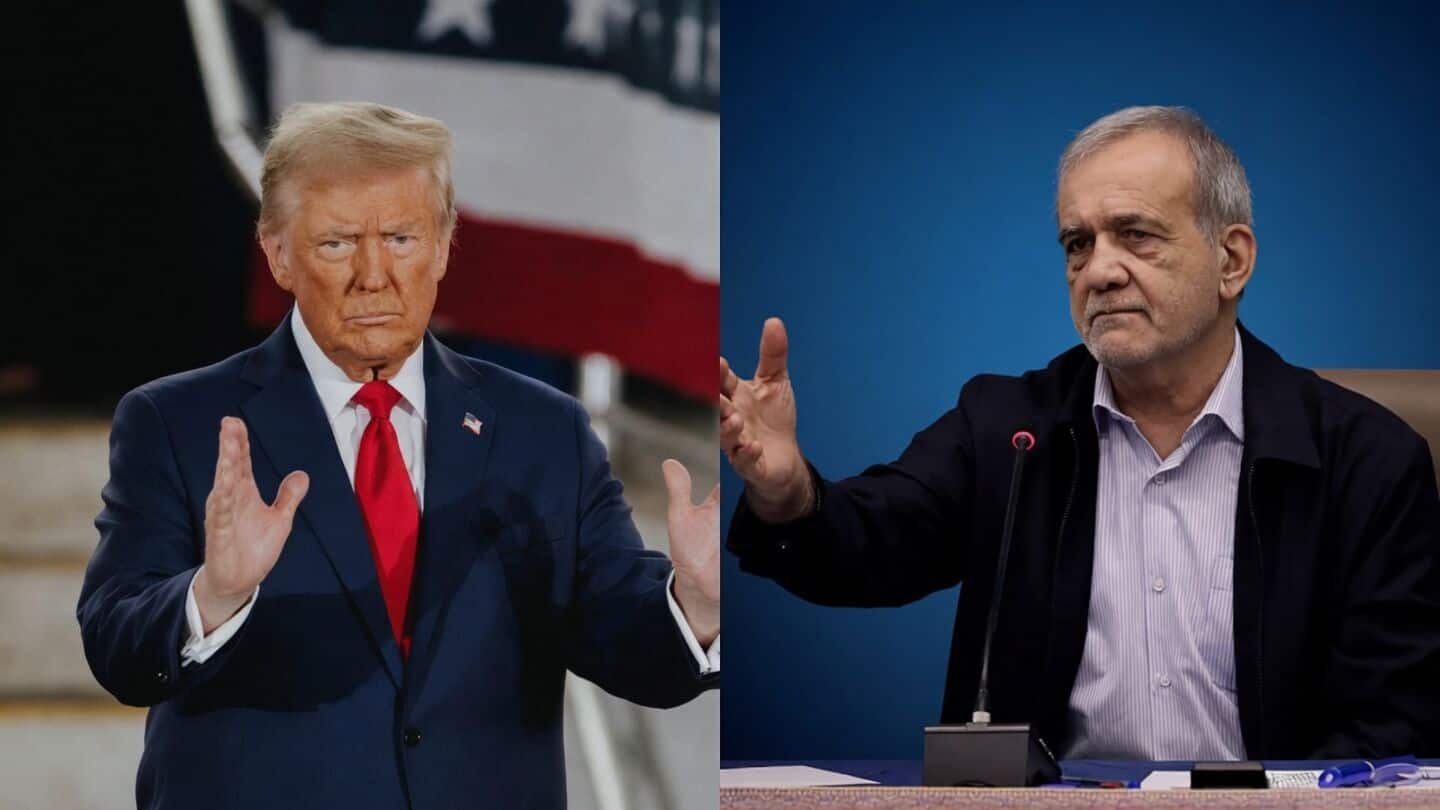
US President Donald Trump on Monday responded to Iran's conditions for a peace deal by demanding that Tehran pay compensation for people killed in wars, attacks and protests.
The demand came after Iran called for compensation, an end to sanctions and an end to US military threats before the Strait of Hormuz could be reopened. Tehran's demands were largely in line with the terms of a preliminary peace deal signed in June, which has since broken down.
"We're going to ask for money for the damage they've done over a 50-year period," Trump said at the White House, adding that the payments would cover deaths among civilian demonstrators and US forces in the region.
"So if there's damages to be paid, I think Iran should pay those damages," Trump said.
Trump also wrote on Truth Social: "Also, with respect to the Iran negotiations, Iran should be responsible for the damages and death caused to the people of Lebanon, Syria, Yemen, and Gaza!"
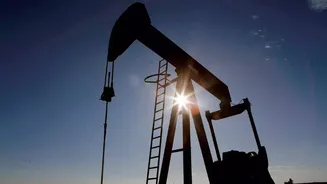
The new demands are likely to make efforts to reopen the strategic waterway more difficult. Oil prices settled 5% higher on Monday as prospects of a deal dimmed.
Trump has repeatedly shifted between threats of escalation and claims that a peace deal is close since the war began in February.
Hormuz Reopening Talks Face Fresh Hurdles
Iran has said it was nearing a final agreement with Oman to establish new shipping lanes through the Strait of Hormuz, but Tehran has maintained that the US must first meet conditions including compensation, sanctions relief and an end to military threats.
Iranian Foreign Ministry spokesman Esmaeil Baghaei said talks with Oman were "progressing smoothly and constructively", with the two sides agreeing on a shipping route map while some technical issues remained unresolved.
The discussions also covered services such as safe navigation, environmental protection, maritime services and combating crime, according to Baghaei.
However, US officials have repeatedly ruled out any arrangement that would allow Tehran to charge fees for access to the Strait.
The waterway, through which around one-fifth of global oil and liquefied natural gas flowed before the conflict, has been effectively blocked since the war began, putting pressure on energy markets and adding to inflation concerns.
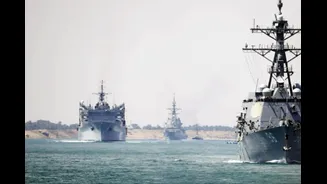
Trump has claimed that the Strait is open and said, "The only one that has control of the Strait of Hormuz right now is the United States Navy." However, shipping data indicates that commercial traffic remains far below normal levels.
The US and Iran agreed to a ceasefire in June, but Washington reimposed a blockade on Iranian shipping in July. Tehran said the move violated the truce.
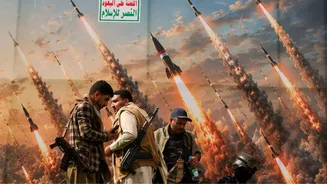
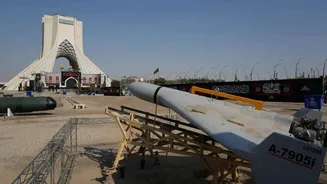
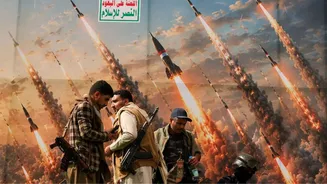
Iran has since retaliated with missiles and drones against US allies in the region and has also targeted commercial ships travelling through the Strait without its permission.
With Trump facing pressure to end a war that remains unpopular at home ahead of the November midterm elections, the standoff over Hormuz has become increasingly difficult to resolve. High fuel prices have also emerged as a major concern, particularly in rural areas that have traditionally supported Trump.
The latest fall in shipping traffic suggests that, despite diplomatic efforts involving Oman, a return to normal commercial traffic through one of the world's most important energy chokepoints remains some way off.