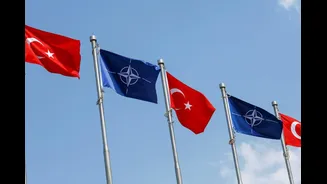






NATO leaders are arriving in Ankara for a two-day summit that begins on July 7, with a packed schedule of defence industry meetings, ministerial engagements
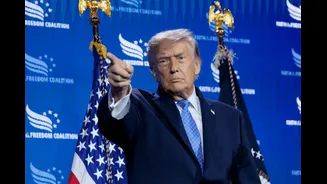
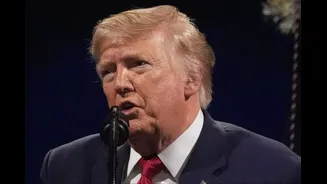
and talks between the alliance's 32 heads of state and government. The NATO Summit comes as allies wrestle with the Russia-Ukraine war, pressure on Europe to take greater responsibility for its conventional defence and the difficult task of turning higher military budgets into weapons and deployable forces. The Iran war may dominate some conversations away from the formal sessions, but NATO officials want the Ankara Summit focused on defence and deterrence. US President Donald Trump is among the leaders expected in the Turkish capital, alongside Canadian Prime Minister Mark Carney, UK Prime Minister Keir Starmer, French President Emmanuel Macron and German Chancellor Friedrich Merz. Italian Prime Minister Giorgia Meloni, Spanish Prime Minister Pedro Sánchez and Polish Prime Minister Donald Tusk are also due to attend, with Turkish President Recep Tayyip Erdoğan hosting the meeting. All 32 NATO members are expected to be represented by their respective heads of state or government.
NATO Summit July 7 Schedule: Defence Industry, Ukraine Talks
The opening day is weighted towards the defence industry, Ukraine and ministerial-level engagements. NATO's formal programme begins at 10 am before leaders and ministers move through a series of meetings and working dinners later in the day. Here is the NATO Summit schedule for July 7:
- 10 am: High-level announcements by NATO, allies and industry at the Defence Industry Forum.
- 12.45 pm: NATO Secretary General's keynote speech at the NATO Defence Industry Forum alongside the Vice-President and Minister of National Defence of Türkiye at the ATO Congresium.
- 2 pm: Short remarks by the NATO Secretary General and the President of Ukraine at the ATO Congresium.
- 5 pm: Engagement of Ministers of Foreign Affairs with Istanbul Cooperation Initiative partners at the Beştepe Presidential Compound.
- 5.30 pm: Social reception for Ministers of Defence at the Ayyıldız Headquarters, hosted by Türkiye's Minister of Defence.
- 6.30 pm: Social reception and dinner for heads of state and government with spouses at the Beştepe Presidential Compound.
- 7.45 pm: Working dinner of the NATO-Ukraine Council at the level of Ministers of Foreign Affairs.
- 8.15 pm: Working dinner of the North Atlantic Council at the level of Ministers of Defence.
The Ukraine engagement at 2 pm will be one of the early events to watch, coming more than four years into the Russia-Ukraine war. European governments continue to finance Kyiv while simultaneously rebuilding their own armed forces, a balance that has become increasingly difficult as NATO pushes members towards higher defence expenditure. The working dinner of the NATO-Ukraine Council later in the evening will keep the war directly within the first day's diplomatic programme.
NATO Summit July 8: When Will Leaders Meet?
July 8 is the main leaders' day. Doorstep statements begin early in the morning before the formal welcome ceremony, official photograph and the principal North Atlantic Council meeting bring allied heads of state and government together. Here is the full NATO Summit schedule for July 8:
- 8 am: Doorstep statement by the NATO Secretary General.
- 8.15 am: Doorstep statements by allied heads of state and government.
- 10.45 am: Welcome ceremony for allied heads of state and government with the NATO Secretary General and the President of Türkiye.
- 11 am: Official photograph of the NATO Secretary General and allied heads of state and government.
- 11.15 am: Meeting of the North Atlantic Council at the level of heads of state and government.
- 3 pm: NATO Secretary General's press conference at the Main Press Theatre in the Beştepe Presidential Compound.
The meeting to watch begins at 11.15 am. The North Atlantic Council session is the central political event of the Ankara Summit and comes as NATO tries to keep the United States fully committed while pushing European allies to take greater responsibility for the continent's conventional defence. Russia remains the alliance's long-term military concern, while weapons production and the ability to field deployable forces are increasingly part of the same discussion.
Why The Ankara Summit Matters
The schedule is crowded, but the problem facing NATO is fairly simple to define. European governments are still financing Ukraine while rebuilding their own militaries, and Washington wants allies to carry more of the conventional defence burden. Russia, meanwhile, remains what alliance officials increasingly describe as a long-term security challenge.
That makes the July 8 North Atlantic Council meeting the central event of the NATO Summit schedule. The defence industry engagements a day earlier will test whether rising military expenditure can translate into ammunition, weapons and production capacity; the leaders' meeting will deal with the politics holding that effort together. The first clear indication of where the alliance has landed is expected when Rutte faces the press at 3 pm on July 8.