









What is the story about?
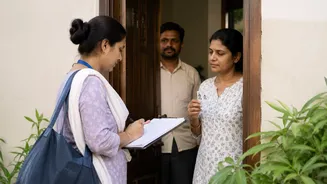
The Special Intensive Revision (SIR) of electoral rolls in Delhi began on Tuesday (June 30), with Booth Level Officers (BLOs) conducting door-to-door verification
of voter details. This initiative aims to ensure the electoral roll is accurate and up to date, allowing for corrections of errors, removal of duplicates, and the addition of eligible voters. The verification process runs from June 30 to July 29, 2026, with the draft electoral roll set to be published on August 5, and the final roll on October 10.
All About Delhi SIR Process
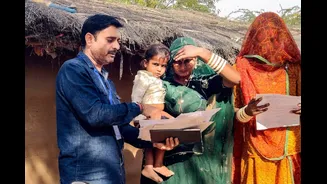
The SIR exercise is a vital initiative led by the Election Commission of India to ensure that the electoral rolls reflect the current demographics of Delhi's population. During this month-long period, approximately 13,000 BLOs will visit each household, distributing enumeration forms to verify existing voter information and register new voters.
Answering Top 5 FAQs
What Happens If You Are Not Home During the BLO Visit?
If a BLO arrives at your house and finds it locked, they will not immediately remove the individual's name from the electoral roll. According to the SIR guidelines, the BLO must make at least three attempts to visit the household. If no one is available, they may leave the enumeration form at the residence or with a designated person, ensuring that voters can complete it at a later time. Furthermore, the BLOs will conduct follow-up visits to ensure all households are covered.
How is SIR Taking Place in Delhi?
Booth Level Officers (BLOs) are carrying out door-to-door verification across Delhi by distributing two copies of the enumeration form based on the 2002 electoral roll. One copy is retained by the voter, while the other is submitted to the BLO. Completed forms are digitised using QR codes, and voters must paste a recent colour photograph and update their details, if required. BLOs are also assisting residents with corrections and additions to their electoral information.
How To Check Your Voter Details
Once the draft electoral roll is published, voters can verify their details using their name, Electoral Photo Identity Card (EPIC) number, or constituency information on the Election Commission's voter portal or the Delhi Chief Electoral Officer (CEO) website. If discrepancies are found, voters can file a claim or objection during the specified correction period.
Do You Need to Submit Documents?
During the enumeration phase, voters are generally not required to submit identity documents along with the enumeration form. A completed and signed form suffices. However, if the Electoral Registration Officer (ERO) later requires verification, voters may need to provide identity documents, such as a passport or birth certificate.
What If You Don't Receive or Return the Form?
Failing to receive or return the enumeration form can lead to complications. If a voter does not submit the form before the draft electoral roll is prepared, their name may not appear in either the draft or the final voter list. To avoid this risk, the Election Commission advises all eligible voters to proactively submit their forms online or offline, even if they miss the BLO's visit.