





What is the story about?
U.S. President Donald Trump stated that Iran must improve its approach to nuclear negotiations, claiming that the nation is experiencing a 'State of Collapse'
as discussions between the U.S. and Iran remain stalled. His comments come amid escalating energy prices that are affecting global economies. In his post on Truth Social, Trump expressed frustration over Iran's failure to advance toward a nuclear deal, warning that the country needs to 'get smart soon.' Meanwhile, Pakistan reported a significant increase in its weekly oil import bill, highlighting the financial strain caused by rising energy costs.
Trump's Criticism of Iran
Trump emphasized Iran's inability to finalize a non-nuclear agreement, stating, 'Iran can’t get their act together. They don’t know how to sign a nonnuclear deal. They better get smart soon!' His remarks were accompanied by an AI-generated image depicting him in a combative stance.Amid heightened tensions surrounding Iran's nuclear ambitions, Trump has consistently vowed to prevent the nation from developing nuclear weapons, while Iran maintains that its nuclear program serves peaceful purposes despite allegations of uranium enrichment to near weapons-grade levels.
Impact of Rising Energy Prices
Pakistan's Prime Minister Shehbaz Sharif reported that the country's weekly oil import bill surged by approximately 167%, climbing from $300 million before the conflict to $800 million. This dramatic increase adds pressure to Pakistan's already fragile economy.European Commission President Ursula von der Leyen noted that the ongoing U.S.-Israel conflict, along with Iranian actions affecting the Strait of Hormuz, is costing the European Union nearly 500 million euros ($600 million) daily, leading to higher fuel prices and potential jet fuel shortages.
Escalating Violence in the Region
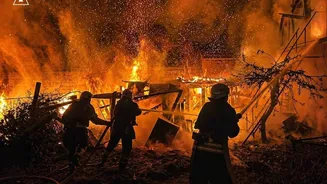
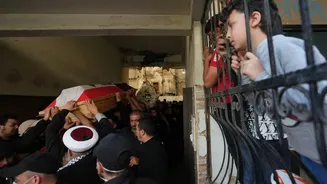
The United Nations human rights chief reported that Iran has executed at least 21 individuals since the onset of the conflict with the U.S. and Israel on February 28. These executions include nine linked to protests and others associated with opposition groups.Additionally, a Lebanese army soldier was killed during an Israeli strike, illustrating the ongoing violence in the region. The Lebanese army has reported that 20 of its soldiers have died due to Israeli strikes since the beginning of the conflict.
Nuclear Developments and Economic Struggles
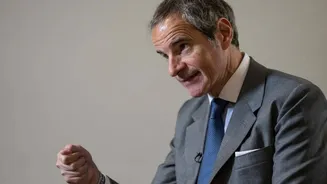
The head of the International Atomic Energy Agency (IAEA) stated that the majority of Iran's highly enriched uranium remains at the Isfahan nuclear complex, which has been targeted in previous airstrikes. Rafael Grossi indicated that the IAEA continues to monitor the situation through satellite imagery.Iran's national currency, the rial, hit a record low of 1.8 million to $1, exacerbating inflation and economic instability. Experts warn that the depreciation of the rial will further impact the prices of essential goods, contributing to the nation's ongoing economic difficulties.
Pakistan's Diplomatic Efforts
Prime Minister Sharif announced that Pakistan is actively working to mediate tensions between the U.S. and Iran. He reported that a recent round of talks between U.S. and Iranian officials took place, leading to a ceasefire that remains in effect.Sharif revealed that Iran's Foreign Minister visited Pakistan for discussions aimed at reducing hostilities. The Pakistani government is also exploring hosting further negotiations between the two nations to promote peace.
U.S. Defense Secretary's Congressional Appearance
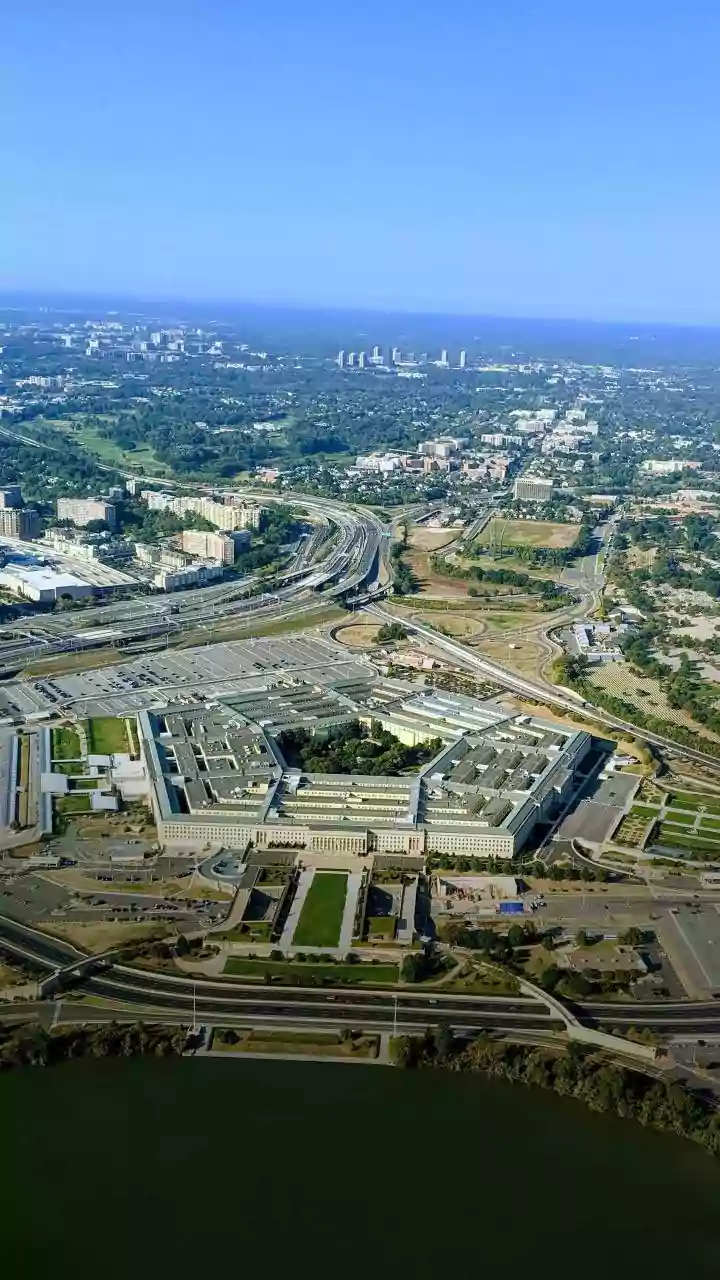
U.S. Defense Secretary Pete Hegseth is set to testify before Congress regarding the military budget amid ongoing discussions about the Iran conflict. The hearing will address the implications of the war and the significant drawdown of military resources.Democratic lawmakers are expected to scrutinize the administration's military expenditures and the ramifications of the conflict, which began without congressional oversight.