




What is the story about?
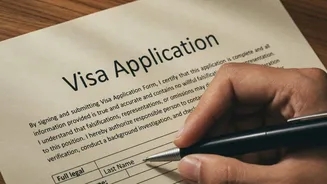
The United States may expand social media screening to foreign journalists seeking visas, according to a reported internal State Department memo, potentially
creating an additional hurdle for international reporters seeking to enter the country under the Trump administration’s increasingly stringent visa regime. Reuters, citing an internal memo reported by The Daily Signal, said the administration is expanding an existing initiative to vet the social media accounts of applicants across several visa categories to include representatives of foreign media organisations. The reported expansion would also cover applicants for another visa category used by workers from Canada and Mexico.
Why Is The US Screening Social Media Accounts?
The State Department has described the process as "online presence vetting", arguing that it is intended to determine whether foreign nationals seeking entry meet US visa requirements. Asked about the reported internal memo, the department declined to confirm its specific contents, citing "purported internal documents".
A State Department spokesperson said US authorities are screening foreign nationals "to the maximum extent possible" to determine whether applicants will comply with US law and the conditions attached to their admission.
The department also said the vetting process is intended to identify individuals who could pose a threat to US security, public safety or national interests.
Foreign Journalists Could Face Additional Scrutiny
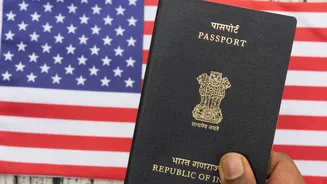
If implemented for foreign media representatives, the policy could add another layer of scrutiny for journalists travelling to the US for reporting assignments, interviews, events or other professional work. Foreign journalists generally enter the United States under I visas, a category specifically designed for representatives of the foreign press, including journalists and certain media professionals.
The reported social media checks would therefore potentially place journalists' online activity under greater scrutiny during the visa process.
However, the exact scope of the proposed screening, including which platforms would be reviewed and what specific types of content could affect an application, has not been established in the material currently available.
What Does This Mean For Indian Journalists?
For Indian journalists, the reported policy could mean greater scrutiny of their publicly available social media presence when applying for US visas, particularly if the State Department proceeds with the reported expansion to foreign media representatives. However, there is currently no indication that Indian journalists would be subjected to a separate or India-specific screening regime.
The proposed measure would apply to foreign media representatives as a broader category, meaning Indian journalists would potentially be covered alongside journalists from other countries.
For reporters who regularly travel to the US for professional assignments, the development could make the visa process more closely tied to their publicly available digital footprint.
US Already Tightening Rules For Foreign Journalists
The reported social media vetting expansion comes after the US Department of Homeland Security introduced separate changes affecting how long certain foreign nationals can remain in the country. Under the new DHS rule cited in the report, fixed periods of stay would apply to I visas for foreign journalists, F visas for international students and J visas for cultural exchange visitors.
The rule is scheduled to take effect 60 days after publication in the Federal Register, although it remains subject to congressional review.
The changes could therefore affect multiple categories of foreign nationals who previously had greater flexibility over their duration of stay in the United States.
Why Indians Could Be Closely Affected
The wider visa changes are particularly significant for India because Indian nationals constitute the largest international student community in the United States. According to data from the Institute of International Education cited in the report, 363,019 Indian students were enrolled in the US during the 2024-25 academic year, compared with 265,919 Chinese students.
Together, students from India and China accounted for 53% of all international students in the United States during that academic year.
While the reported social media screening expansion specifically concerns foreign journalists, the broader tightening of visa rules therefore has implications for a much larger Indian population travelling to or residing in the US under different visa categories.
'Anti-American' Content Under Greater Scrutiny?
The reported move also follows earlier steps by US authorities to scrutinise the online activity of immigrants and visa applicants. US Citizenship and Immigration Services had previously said it would examine social media posts associated with "anti-Semitic" and "anti-American" content as part of its vetting processes.
That has intensified concerns among immigration and civil liberties advocates over how subjective interpretations of online speech could influence immigration decisions. For foreign journalists, the issue could be particularly sensitive because reporting and commentary frequently involve criticism of governments, political leaders and foreign policy. The precise implementation of the reported State Department expansion, however, remains unclear.
For now, the key question is how broadly the US will define online activity relevant to visa eligibility — and whether foreign journalists could face additional scrutiny for material published as part of their professional work or personal expression.