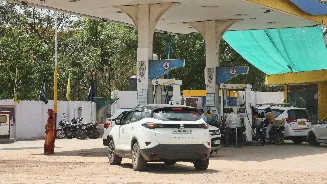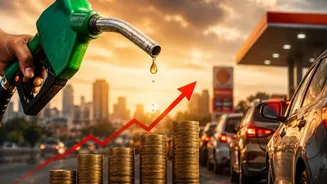






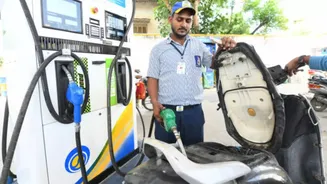
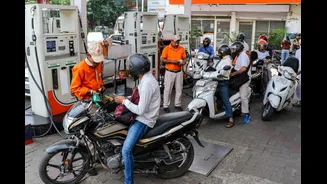
India woke up to yet another fuel shock on Monday as petrol and diesel prices were hiked for the fourth time in less than two weeks, with petrol becoming
costlier by Rs 2.61 per litre and diesel by Rs 2.71 per litre. The latest increase has pushed fuel prices to record highs in several states, intensifying pressure on household budgets, transport operators and inflation-sensitive sectors. The hike comes amid soaring global crude oil prices linked to the ongoing Iran conflict and disruptions around the Strait of Hormuz, a critical global oil shipping route. State-run oil retailers including Indian Oil Corporation, Bharat Petroleum and Hindustan Petroleum have been steadily passing on the burden to consumers after holding rates relatively stable during recent state elections.
States With The Highest Petrol Prices After Latest Hike
Here’s how petrol prices stack up across some of the costliest states and Union Territories in India after the latest revision:
- Andhra Pradesh — Rs 117.88/litre
- Bihar — Rs 113.35/litre
- Madhya Pradesh — Rs 110.74/litre
- Kerala — Rs 109.27/litre
- Chhattisgarh — Rs 108.06/litre
- Maharashtra — Rs 107.36/litre
- Karnataka — Rs 106.94/litre
- Assam — Rs 105.85/litre
- Goa — Rs 104.19/litre
- Delhi — Rs 102.12/litre
Among metro cities, Delhi has crossed the Rs 100-per-litre mark again, while Mumbai’s diesel prices are nearing Rs 100/litre. Hyderabad continues to remain among the most expensive major cities for petrol buyers.
Why Fuel Prices Differ Across States
Fuel prices vary significantly across India because of differing Value Added Tax (VAT) rates imposed by state governments. States such as Andhra Pradesh, Bihar and Madhya Pradesh levy higher taxes, pushing retail fuel prices sharply upward compared to regions with lower VAT structures.
The current surge is also being driven by:
- Rising international crude oil prices
- Weakening rupee against the US dollar
- Supply disruptions linked to West Asia tensions
- Increased freight and insurance costs for oil shipments
The repeated hikes are expected to impact transportation costs, food prices and daily essentials across the country. Logistics companies and public transport operators are already warning of fare revisions if fuel prices continue rising. Meanwhile, calls are growing louder for state governments to cut VAT on petrol and diesel to cushion the blow for consumers