






What is the story about?
Former Vice President Mike Pence believes the United States and Israel may soon need to take things further in Iran. Speaking Sunday, he argued that despite
the Trump administration's growing focus on economic pressure and sanctions, military action is still likely on the horizon, according to a report from Newsweek. His comments put him firmly on one side of a debate that's been dividing lawmakers from both parties. While some in Washington have started pushing for a diplomatic resolution to wind the conflict down, Pence is making the opposite case, one that favors keeping the pressure on rather than easing off.
Speaking From Kyiv
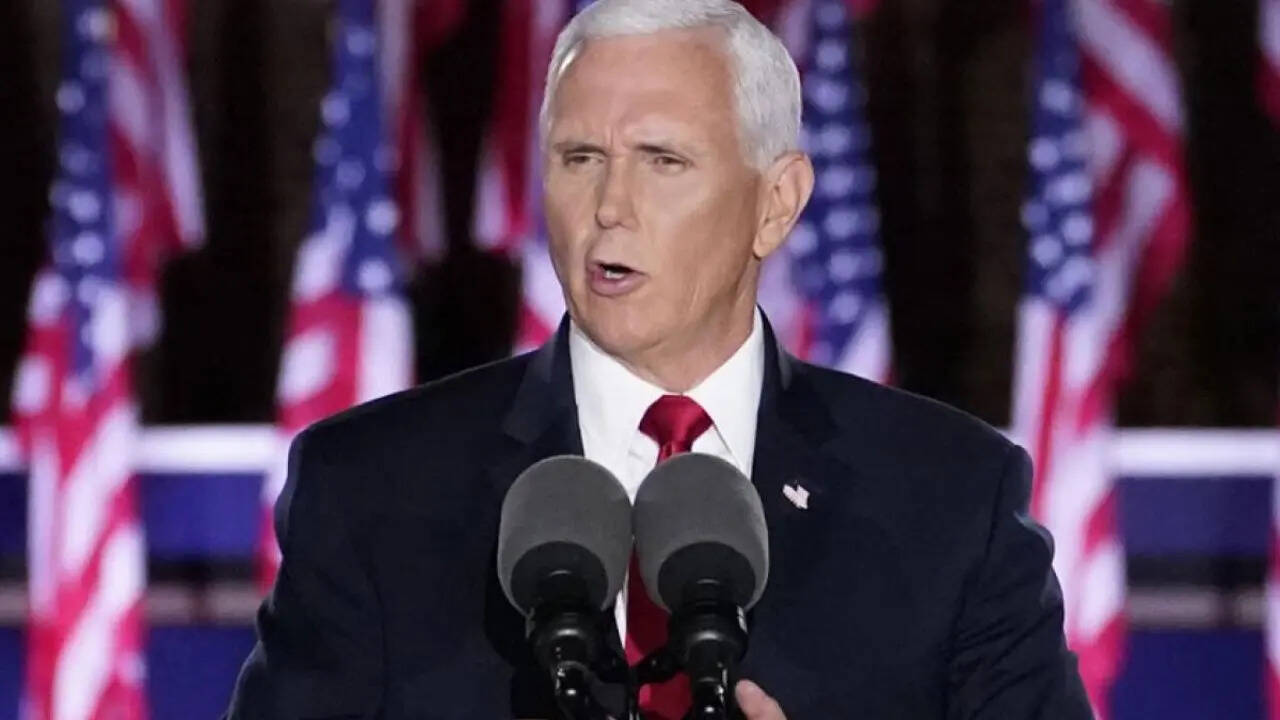
Pence made these remarks during an interview with CNN's "State of the Union," conducted from Kyiv, Ukraine. He was there meeting with Ukrainian officials, using the trip to discuss both the war in Eastern Europe and the ongoing tension in the Middle East.According to Pence, the situation with Iran isn't one that diplomacy alone is likely to resolve. "It's going to be absolutely imperative that we keep the pressure on, and that we keep the military assets in the region," he said.
Why Pence Thinks Iran Won't Back Down
Part of Pence's reasoning centers on how he believes Iranian leadership is reading the current moment. He argued that officials in Tehran haven't truly come to terms with their position, which makes it unlikely they'll agree to the kind of terms the US is pushing for."The time's going to come sooner rather than later when the president and our ally Israel are going to have to go in and finish the job," Pence said.
He went a step further, suggesting that Iran's leaders still don't see themselves as defeated. In his view, that mindset makes any lasting resolution unlikely unless the US and its allies keep up both military and economic pressure simultaneously.
A Consistent Stance Throughout the Conflict
This isn't a new position for Pence. He's been making similar arguments since the conflict began, consistently calling for the US to ramp up both military and economic pressure on Iran rather than scale back.Earlier this year, he took aim at a proposed understanding between the US and Iran, calling it "appeasement." He also warned at the time that offering sanctions relief would essentially hand Iran's regime a "lifeline" it didn't deserve.