

What is the story about?
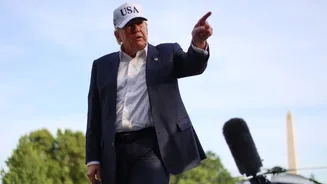
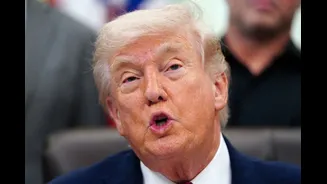
President Donald Trump, who prides himself on being a skilled negotiator, faces significant obstacles in his dealings with Iran as his aggressive rhetoric
and military threats have failed to alter Tehran's entrenched positions. Despite claims from Trump and his advisors that the U.S. has already achieved success in its efforts, Iran remains unyielding, resisting demands to abandon its nuclear ambitions and military support for regional proxies.
Trump's Strategic Adjustments
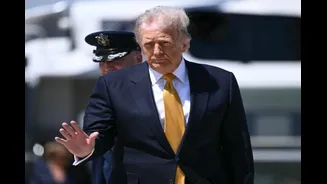
On Monday, Trump announced he had postponed plans for immediate military action against Iran, citing the advice of Gulf Arab allies who believe that serious negotiations are underway. He expressed confidence that a favorable deal could be reached, benefiting both the United States and other Middle Eastern nations.However, while Trump called off planned strikes, he maintained a posture of readiness, instructing military leaders to prepare for a large-scale assault should negotiations fail to yield an acceptable outcome. This pattern of setting deadlines for Iran and subsequently retreating has characterized Trump's approach.
Iran's Resilience and U.S. Challenges
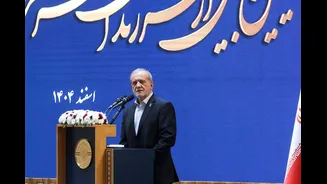
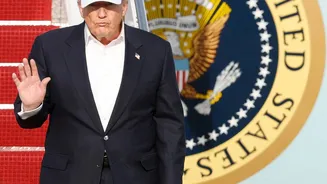
Despite facing internal unrest and a struggling economy, Iran shows no signs of capitulating to U.S. demands, many of which it has long rejected. The Iranian government has instead fortified its stance, making it clear that Trump’s primary goals—such as the cessation of its nuclear program and support for regional militias—remain unmet.The White House defended Trump's strategy, asserting that his ultimate aim is peace and diplomacy, but only under conditions that prioritize American interests. Spokesperson Olivia Wales emphasized that Trump maintains a strong negotiating position to prevent Iran from acquiring nuclear weapons.
Strait of Hormuz and Economic Implications
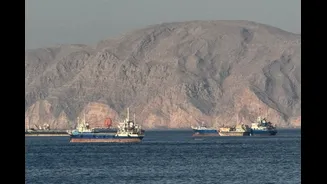
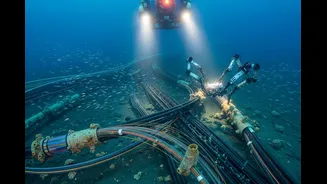
Iran continues to exert significant influence over the Strait of Hormuz, a critical shipping route for global oil supplies, despite U.S. military efforts to restrict its access. This situation has contributed to fluctuations in global energy markets, resulting in higher gasoline prices for American consumers and complicating Trump's political standing ahead of the upcoming midterm elections.Unlike previous instances where economic and military pressure effectively compelled other nations, such as Venezuela and Cuba, Iran's strategic control over the Strait of Hormuz presents a unique challenge for the Trump administration. The rising costs associated with the ongoing tensions are reflected in Trump's declining approval ratings regarding economic management.
Diplomatic Stalemate and Future Prospects
Experts suggest that neither the U.S. nor Iran perceives itself as defeated in the current standoff. Ali Vaez, director at the International Crisis Group, noted that both sides appear to believe that the ongoing blockade and counter-blockade in the Strait of Hormuz serves their interests, allowing them to prepare for possible future conflicts.Despite the impact of U.S. economic sanctions, Iranian officials have not reached a point where they would accept what they view as capitulatory demands. David Schenker, a former assistant secretary of state, described the situation as a stalemate, indicating that Trump may hesitate to escalate military actions due to potential repercussions for U.S. energy markets and domestic political implications.
Rich Goldberg, a former National Security Council official, contended that Trump remains in a position of strength, particularly regarding the Strait of Hormuz. He acknowledged that while reopening the strait could alleviate short-term economic pain for Americans, it is not critical to U.S. energy dominance.