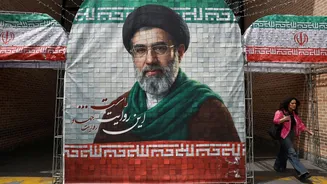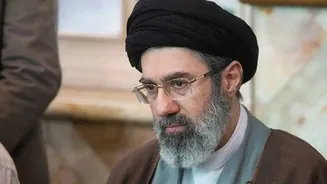








US intelligence suggests Iran's Supreme Leader Mojtaba Khamenei is living in seclusion at an undisclosed location with severely limited contact with the
outside world, according to US officials familiar with the matter quoted by CBS News. The officials, quoted in the report, said communication difficulties inside Iran's leadership structure have complicated negotiations with the Trump administration and contributed to delays in talks over a possible agreement between Washington and Tehran. According to the officials, messages sent by the United States can take significant time to reach the supreme leader because of the complex process required to contact him. Responses are often delayed for the same reason. A senior US administration official said on Sunday that the supreme leader had approved the broad outline of the current draft agreement. US President Donald Trump later wrote on Truth Social that he expected a final decision within days. US officials said Khamenei, who was reportedly injured during US and Israeli strikes in what they described as Operation Epic Fury, has adopted extensive security precautions following the death of his father, Ali Khamenei. Ali Khamenei ruled Iran from 1989 until February 28 and was killed in the conflict, according to the officials. Mojtaba Khamenei has not appeared publicly since before the war began.
One US official said intelligence gathered from within the Iranian government had enabled the US and Israel to identify and target large parts of Iran's senior leadership during the conflict.
Officials described senior Iranian figures as spending extended periods inside fortified underground bunkers and limiting communication with one another except when absolutely necessary. "Watching them try to figure out how to talk to each other is almost like watching a sitcom. They are completely exasperated," one US official said.
The most stringent measures, officials said, are being applied to protect the supreme leader himself. Even senior members of the Iranian government reportedly do not know his location or have any direct means of contacting him.
Instead, communications are said to pass through a network of couriers designed to conceal where he is being sheltered. "This is why you see people saying things like, ‘The supreme leader has agreed to the framework,' or ‘We're waiting to hear back on the final deal points,'" one official said. "Every piece of information he receives is dated and there's a lot of latency to his responses."
Officials said the supreme leader had communicated broad negotiating instructions to his advisers, outlining which issues could be discussed with the United States and which remained off limits.