







What is the story about?
DALLAS (AP) — Women experiencing symptoms of menopause, such as hot flashes and mood changes, are facing an influx of marketed products claiming to alleviate
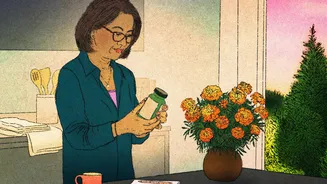
these issues. This surge in advertising coincides with a growing openness around discussions about menopause and perimenopause. As social media amplifies the visibility of these products, women encounter a wide array of offerings, from lotions and dietary supplements to gadgets promising relief. Medical professionals emphasize the importance of consulting healthcare providers before investing in these products, urging skepticism towards their claims.
The Impact of Marketing
With the decline of menstruation, women experience a drop in estrogen and progesterone, leading to various symptoms such as hot flashes and sleep disturbances. Dr. Angela Angel, an OB-GYN at Texas Health Presbyterian Hospital Dallas, notes that patients are increasingly proactive, initiating discussions about menopause during their appointments.Many women arrive at these consultations having already tried various remedies, often expressing dissatisfaction with their effectiveness or reporting adverse side effects. In response to this trend, Angel's hospital has launched a menopause support group, aiming to guide women through the overwhelming marketing landscape.
Products marketed for menopausal relief range widely, including items like cooling blankets and bracelets. Dr. Nanette Santoro advises patients to consider the cost versus potential benefit before purchasing these items, noting that inexpensive options may be worth trying, while more expensive claims require careful consideration.
Medical Guidance and Alternatives
Dr. Monica Christmas, director of the menopause program at the University of Chicago Medicine, emphasizes the variability of menopause symptoms among women. While some may experience few symptoms, others may be significantly affected. Seeking medical advice is crucial for managing these symptoms effectively.Hormone therapy, when prescribed, can provide relief for many women, although not everyone is a suitable candidate for this treatment. Non-hormonal medications also offer alternative solutions. Regular exercise and a healthy diet are recommended strategies for managing symptoms, as they can aid in weight loss and overall well-being.
Furthermore, avoiding alcohol can be beneficial, as it may exacerbate hot flashes. Christmas points out that many symptoms tend to improve over time, suggesting that lifestyle changes and self-care can often be effective in navigating this transitional period.
Skin Changes and Care
Dr. Melissa Mauskar, a dermatologist at UT Southwestern Medical Center, highlights that menopause can lead to changes in skin thickness due to collagen loss. She recommends retinoids or retinol for improving collagen production and reducing wrinkles, alongside good moisturizers containing ceramides.Mauskar cautions against products with excessive additives, as natural ingredients can sometimes cause allergic reactions. Although ingestible collagen is marketed for skin improvement, she notes that research on its effectiveness is inconclusive. Light therapy devices may help but require consistent use over an extended period for noticeable results.
She emphasizes the importance of sunscreen in preventing sun damage, which is a significant contributor to skin aging. Mauskar advises her patients to prioritize scientifically supported treatments over newer, unproven products targeting menopausal women.