




What is the story about?
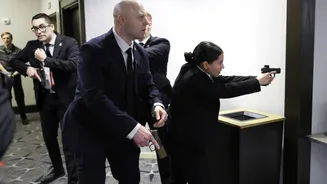
Federal law enforcement officials are assessing security measures for several high-profile public events involving President Donald Trump following a recent
violent incident at the White House Correspondents’ Dinner. This incident, the third violent attack near Trump in less than two years, raises significant concerns about balancing the public-facing aspects of the presidency with the need to mitigate potential security threats.
Details of the Recent Attack
On Saturday, a man armed with guns and knives attempted to breach the Washington hotel ballroom where Trump was scheduled to speak at the White House Correspondents’ Association event. This incident occurs just as Trump prepares for a series of major events, including the nation’s 250th anniversary celebration and the U.S. co-hosting of the World Cup.Reevaluating Security Protocols
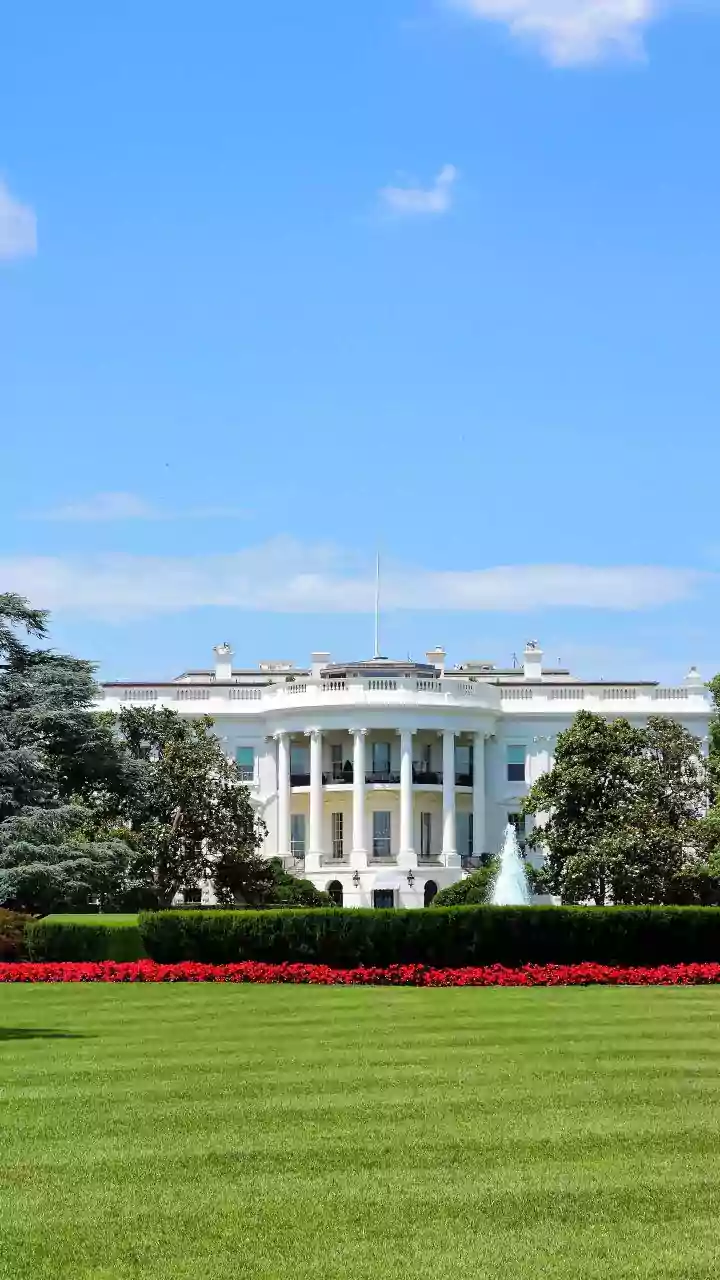
A source familiar with the situation stated that the U.S. Secret Service is reassessing its security protocols in light of the increased threats against Trump, which include two assassination attempts earlier this year and the implications of recent global tensions.“I can’t imagine that there’s any profession that is more dangerous,” Trump remarked during a statement from the White House on Saturday night.
Challenges in Event Security Planning
Agents from the Secret Service are currently reviewing recent threats against Trump, as incidents of copycat violence often follow high-profile attacks. Concerns have been raised regarding the security measures implemented at the correspondents’ dinner, particularly how an assailant was able to reserve a room at the hotel and bring in weapons.Republican Rep. Michael McCaul of Texas suggested that security protocols for both Trump and Vice President JD Vance may require significant adjustments. “I think the Secret Service needs to reconsider having both the president and vice president together at something like that,” McCaul stated on CNN.
Security Agency's Response
The Secret Service, responsible solely for the safety of its protectees rather than the event itself, defended its actions, receiving praise from Trump for its response. “Our multilayered protection works,” said Secret Service Director Sean Curran.Trump echoed this sentiment in a subsequent interview, stating, “Those guys did a good job last night. They did a really good job.”
Future Security Measures
Experts suggest that authorities may consider implementing additional security measures, such as bulletproof glass around areas where Trump speaks. Increased screening for attendees is also anticipated, which could complicate entry processes at future events.Ronald Kessler, author and security expert, noted that while presidents often prefer less visible security to maintain a public connection, the balance between accessibility and safety remains a pressing concern.
Historical Context of Presidential Security
The Secret Service assumed full-time responsibility for presidential protection after the assassination of President William McKinley in 1901. Historical instances show that presidents often struggle with the need for security versus their desire to engage with the public.After the recent attack, Trump noted that he might have delayed the Secret Service's response by wanting to assess the situation himself. “I wanted to see what was happening,” he explained. “And by that time we started to realize maybe it was a bad problem.”