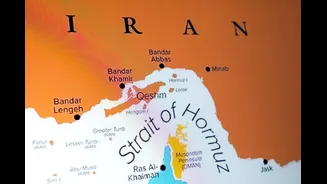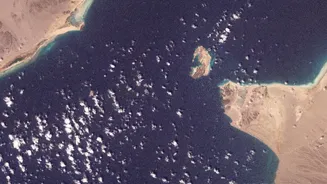






Shipowners across the world are rushing to understand the details of a new ceasefire deal that could briefly reopen the Strait of Hormuz - a key global
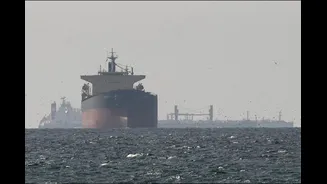
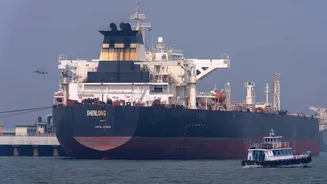
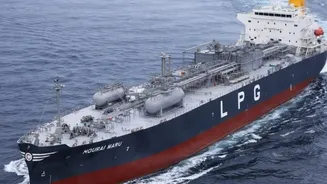
oil route. If conditions allow, they hope to move more than 800 ships that have been stuck in the Persian Gulf for weeks, a Bloomberg report said. The strait had nearly shut down after Iran tightened control following US and Israeli strikes. With multiple attacks reported, shipping companies could no longer guarantee the safety of their crews or cargo. As a result, many ships have been waiting on either side of the waterway, and traffic dropped sharply. Also Read: Key Takeaways From Trump's US-Israel-Iran Ceasefire Just hours before a deadline set by US President Donald Trump, both sides agreed to a ceasefire. In return, Iran said it would allow ships to pass through the strait for two weeks, working with its armed forces and within what it called “technical limitations.” Trump, however, described the agreement differently, announcing a “COMPLETE, IMMEDIATE, and SAFE OPENING.” It is still unclear whether any financial terms are part of the deal. Despite the uncertainty, the news has given some hope to the shipping industry. The Japanese Shipowners’ Association said it would first study the details of the agreement before advising its members, the report added. Even then, most experts say shipping will not return to normal quickly. Also Read: Iran Opens Strait Of Hormuz After Trump's Ceasefire But Sets Conditions “You don’t switch global shipping flows back on in 24 hours,” Jennifer Parker, adjunct professor at the University of Western Australia Defence and Security Institute told the outlet. “Tanker owners, insurers and crews need to believe the risk has actually reduced — not just paused.” A large number of the stranded ships are carrying energy supplies. According to data from Kpler, this includes 426 oil tankers, 34 liquefied petroleum gas carriers, and 19 liquefied natural gas vessels. Other ships are carrying goods like food, metals, and containers. The situation is also taking a toll on people onboard. According to the International Maritime Organisation, around 20,000 civilian seafarers remain stuck on these vessels. The United Nations agency warned that many are dealing with low supplies, exhaustion, and rising mental stress.