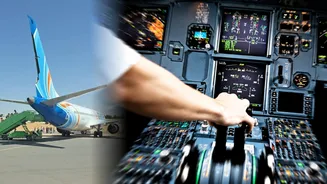








The investigation into the dramatic cockpit incident aboard flydubai Flight FZ1073 is set to unfold in two stages, with Saudi Arabia handling the initial
probe before the Omani co-pilot is handed over to the United Arab Emirates. An Israeli official told The Times of Israel that Saudi authorities will first investigate the suspect following the emergency landing at Tabuk. Once that investigation is completed, the co-pilot is expected to be transferred to the UAE, where authorities are preparing to examine the incident in greater depth. The development comes after the Dubai-to-Tel Aviv flight was diverted to Saudi Arabia following what the UAE aviation regulator described as a security incident. The aircraft landed safely at Tabuk after members of the crew intervened during an altercation in the cockpit. The UAE has now opened a formal investigation that could determine whether the incident was an isolated act or something more coordinated.
UAE probe looks at terror and pre-planning
UAE Attorney-General Dr Hamad Saif Al Shamsi has ordered a specialised Public Prosecution team to investigate FZ1073. The investigators have been tasked with establishing the circumstances and motives surrounding the incident and specifically determining whether it was linked to “any terrorist activity or purpose” or involved prior planning or direction, according to the Emirates News Agency.
The investigation is being conducted in coordination with the UAE's General Civil Aviation Authority and other relevant authorities. That does not mean investigators have concluded that terrorism was involved. The UAE prosecutor general has explicitly urged the public and media not to circulate unverified information or reach conclusions before the investigation is completed. The country's aviation regulator has issued a similar warning, saying its teams are examining the causes and circumstances of the incident.
Why UAE has jurisdiction
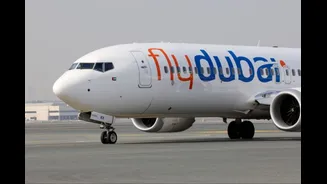
The second investigation will take place in the UAE because flydubai's aircraft is registered in the country and operates under the UAE flag. According to the UAE authorities, its judicial system therefore has jurisdiction over crimes committed aboard the aircraft even when they occur outside UAE territory. That provides the legal basis for the Emirati investigation after the Saudi authorities complete their initial work.
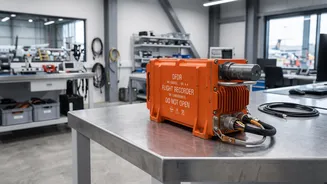
The UAE probe could consequently examine evidence gathered during the Saudi investigation alongside aviation, security and forensic material collected from the aircraft and crew.
What happened aboard FZ1073?
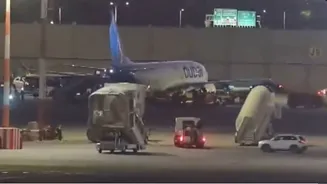
Flight FZ1073 was travelling from Dubai to Tel Aviv on September 30 when a serious incident unfolded in the cockpit. The UAE General Civil Aviation Authority initially described it as a security incident that was brought under control. The aircraft was diverted to Tabuk, where injured crew members were taken to hospital.
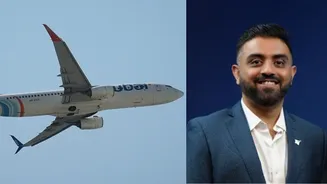
Subsequent accounts identified the injured captain as Indian pilot Smit Machchhar and the other pilot as an Omani national. Israeli and passenger accounts have alleged that the co-pilot attacked Machchhar and attempted to take control of the aircraft as it descended sharply.
Passengers and other crew members intervened, allowing the aircraft to be stabilised and diverted safely to Saudi Arabia. Those details are still being examined by authorities, and the UAE has cautioned against treating unverified accounts as established findings.
Terror link remains an open question
The possibility of a terrorist motive is therefore now formally part of the UAE investigation — but it remains only a line of inquiry. The investigators will have to establish what prompted the cockpit confrontation, whether there was any advance preparation, whether anyone else was involved and whether the suspect acted independently or under outside direction.
For now, the immediate sequence is clear: Saudi Arabia will conduct the initial investigation, followed by a UAE probe that could look beyond the incident itself to its motive and possible planning. The answers could determine whether the FZ1073 incident was an isolated cockpit attack or part of a wider security threat.