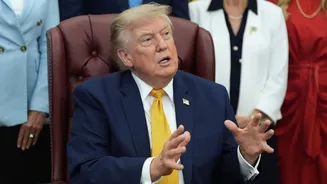








US President Donald Trump has said he is giving Iran what he described as one "last chance before decapitation", while claiming negotiations are under
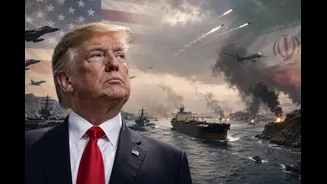
way to reopen the Strait of Hormuz following his decision to halt a planned military operation over the weekend. Speaking from the Oval Office on Monday, Trump said he had called off what he described as a large-scale military strike to give Tehran another opportunity to reach an agreement. "This is a last chance," he said. "This is the last chance for them to sign a good document." He added: "I want to give them every last chance before decapitation." Trump, however, has issued at least a dozen ultimatums or deadlines to Iran since the conflict began on 28 February, later delaying or reversing planned military action on multiple occasions. Those instances included postponing planned strikes, extending self-imposed deadlines and pausing military operations while diplomatic efforts continued, the newspaper reported. Asked why he believed Iran might respond differently this time, Trump said he wanted to avoid a major military assault. "It's very tough to do what we have planned, still planned. We'll see what happens, but it's very very tough thing to do," he said, referring to what he described as potential "decapitation" strikes targeting Iran's leadership.
.@POTUS on negotiations with Iran: "I want to give them every last chance before decapitation... If I am given a chance to let a lot of people live, I want to give that chance." pic.twitter.com/echyAagbKS
— Rapid Response 47 (@RapidResponse47) August 3, 2026
"I think I'm very proud of the fact that I will give people give people a chance. This is a big move to do an attack that big on a country I'd rather not do," he added.
The President also said Iran had requested renewed negotiations following his decision to halt a planned military operation, with support from key Gulf allies.
"We are talking right now," Trump said. "We're talking, and we're talking at the request of Iran, backed by Saudi Arabia, backed by UAE, and backed by Qatar in particular."
He said the outcome of the discussions would become clear quickly.
"You'll find out today or tomorrow," he said. "They're going to go quickly, one way or the other. It's not very complex."
Iran, however, disputed the President's account.
Foreign Ministry spokesman Esmail Baghaei said Tehran was not engaged in negotiations with Washington. "To avoid any misunderstanding, it is important to clarify what the current negotiations are about and who they are with. We are not negotiating with the United States at this time," he said.
"Our negotiations are with Oman and are focused on reaching an understanding on a route that will ensure the safe passage of shipping through the Strait of Hormuz," he added.
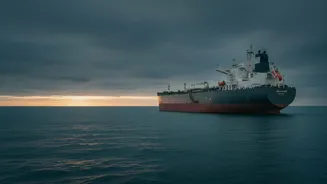
Trump outlined what he described as a two-phase approach, saying the immediate priority was reopening the Strait of Hormuz, one of the world's most strategically important oil shipping routes. "We're talking about the strait, the opening of the strait, having it open literally by tomorrow, completely open, and that's phase one," he said.
He said discussions would then shift to Iran's nuclear programme.
"The second phase is we then will talk about the nuclear capacity," Trump said. "Basically, I think most say the denuclearization of Iran has to happen." "Iran cannot have a nuclear weapon," he added. "I have never changed in that."
Trump has repeatedly threatened military action against Iran during the conflict before delaying or cancelling planned operations as diplomatic efforts resumed.