



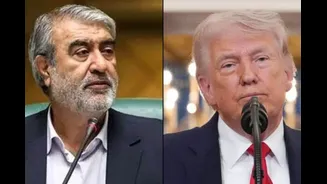


A senior Iranian official on Monday said Tehran intends to maintain control over maritime traffic through the Strait of Hormuz, as uncertainty continues
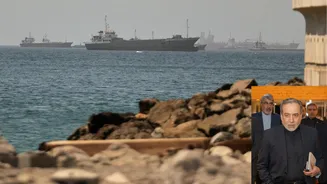
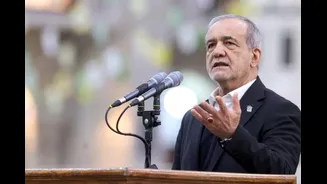
over planned negotiations with the United States aimed at securing a permanent end to months of conflict. Speaking to Iranian state television, Iran's Deputy Foreign Minister Kazem Gharibabadi said Tehran wanted to reach an agreement with Oman, which controls the opposite side of the strategic waterway, to jointly oversee shipping through the strait. However, he warned that Iran would proceed independently if no agreement was reached. "We have warned the Omanis that other countries have no right to interfere in this matter," Gharibabadi said. He added that Iran would designate any temporary transit routes through the Strait of Hormuz.
Tensions Ahead of Doha Talks
The remarks come ahead of talks the United States says are due to take place in Doha, Qatar, on Tuesday.
According to the White House, US Special Envoy Steve Witkoff and presidential adviser Jared Kushner are expected to attend. However, Iran has not confirmed that direct negotiations with Washington will take place.
Earlier, Gharibabadi said: "The Americans are traveling to Doha, but we have no plans to meet with them," while acknowledging that Iranian delegates would be in Qatar to follow up on implementation of the interim agreement through Qatari mediators.
An interim peace agreement signed earlier this month committed Iran not to impose tolls on ships using the Strait of Hormuz for 60 days, but left open the possibility of fees being introduced after that period.
US Secretary of State Marco Rubio said last week that any attempt to impose tolls or fees on vessels using the waterway would be unacceptable.
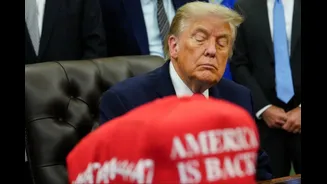
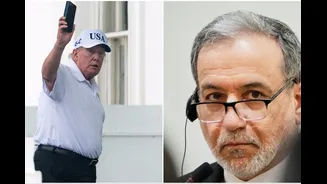
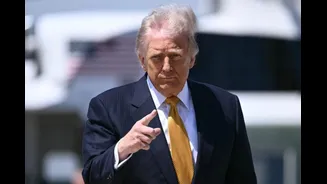
Speaking from the Oval Office on Monday, US President Donald Trump declined to predict whether the Doha discussions would produce a breakthrough after recent incidents threatened the fragile ceasefire. "The meeting in Doha is going to be perhaps important, perhaps not," Trump said. "We're going to find out, but we're winning militarily. It's almost won militarily, I would say, and it's really very simple. It's the denuclearization of Iran. We don't want them to have a nuclear weapon, and they're not going to have a nuclear weapon."
Concerns Over Shipping
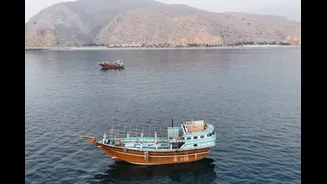
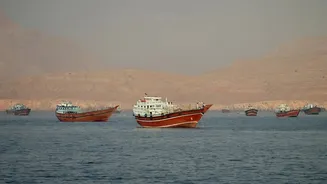
The Strait of Hormuz is one of the world's most important oil shipping routes, and the prospect of Iran imposing charges on vessels has raised concerns among the United States, European countries and Gulf Arab states over potential increases in energy costs and disruption to global trade.
Iran's ability to control shipping may be limited while the southern shipping route through Omani waters remains open. Oman has opposed the introduction of transit fees. During a meeting in Paris on Monday, Sultan Haitham bin Tariq and French President Emmanuel Macron reaffirmed their commitment to freedom of navigation "without conditions or restrictions, including the right of transit passage in accordance with the law of the sea."
Tankers Continue to Pass
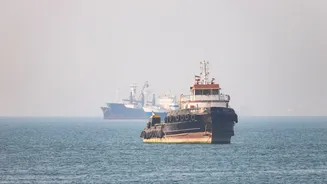
Despite recent attacks in the region, commercial shipping has continued through the Strait of Hormuz. According to ship-tracking data compiled by Bloomberg, three oil tankers were approaching the strait late on Monday, while two others had successfully exited earlier in the day. Two additional supertankers, including one that had previously turned back, also appeared to be preparing to leave the Persian Gulf.