






What is the story about?
BRUSSELS (AP) — The European Union approved a €90 billion ($106 billion) loan package on Thursday to support Ukraine's economic and military needs over
the next two years, following the resumption of oil deliveries through a key pipeline to Hungary and Slovakia. This decision marks the end of a prolonged political stalemate and comes alongside a new set of sanctions against Russia, aimed at addressing the ongoing conflict in Ukraine.
Resumption of Oil Deliveries
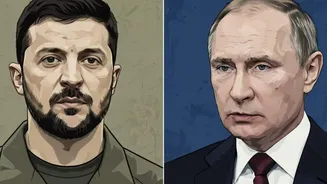
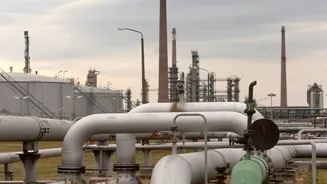
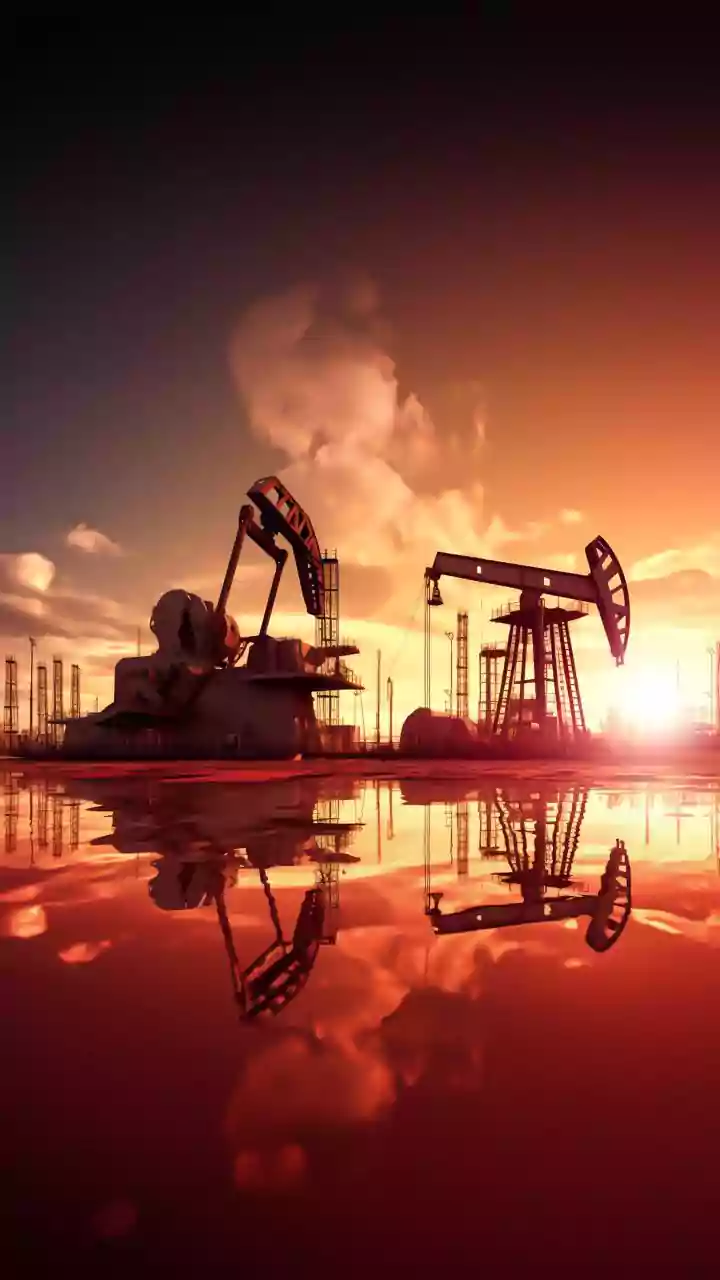
The approval of the loan package followed the restoration of Russian oil supplies to Hungary and Slovakia through the Druzhba pipeline, which had been interrupted for nearly three months due to damage. Ukrainian officials attributed the damage to Russian drone attacks, while Hungary and Slovakia confirmed the resumption of oil deliveries.Ukrainian President Volodymyr Zelenskyy emphasized the importance of the loan, stating, “We will work to make sure the funds are delivered as soon as possible. This will strengthen, of course first of all our army, Ukrainian forces, and allow us to boost production.”
Political Implications
The political green light for the loan package came after significant diplomatic efforts, especially following Hungary's earlier refusal to support the EU's financial assistance to Ukraine. Hungarian Prime Minister Viktor Orbán had faced backlash for blocking EU aid over the pipeline dispute.European Council President António Costa remarked on social media, “Promised, delivered, implemented,” indicating the urgency of advancing Ukraine's aspirations for EU membership.
Sanctions Against Russia
In addition to the financial aid, the EU announced new sanctions against Russia, targeting over 40 ships believed to be part of a network illicitly transporting oil. The sanctions aim to weaken Russia’s financial capabilities amid its ongoing military aggression.Furthermore, the sanctions include asset freezes on approximately 60 entities linked to the Russian government, adding to the extensive list of over 2,600 individuals and organizations already under EU sanctions.
Concerns Over EU Decision-Making
The recent political disputes have raised concerns about the EU's decision-making process, particularly the requirement for unanimous votes among member states. This has prompted calls for a shift towards majority voting to prevent individual countries from obstructing collective actions.In the past, Hungary and Slovakia had also opposed new sanctions against Russia, citing their dependence on Russian oil, which complicates the EU's unified response to the conflict.