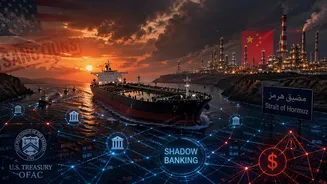




Washington DC: The United States on Tuesday (April 28) imposed fresh sanctions on 35 entities and individuals for their involvement in Iran’s shadow banking
sector. Washington threatened banks doing business with Chinese “teapot” refineries, which import Iranian oil after allegedly paying a toll to Iran for shipments through the Strait of Hormuz. The US Treasury Department issued a statement in this regard. "Today, as part of Economic Fury, Treasury’s Office of Foreign Assets Control designated 35 entities and individuals that oversee Iran’s shadow banking architecture and facilitate the movement of the equivalent of tens of billions of dollars," the US Treasury Department said. The Treasury Department alleged that these networks allow Iran’s armed forces—including the Islamic Revolutionary Guard Corps—to access the international financial system to receive payment for illicit oil sales, purchase sensitive components for missiles and other weapons systems, and transfer money to Iran’s terrorist proxies.
The department targeted Chinese teapot refineries for doing business with Iran. These refineries are primarily based in China's Shandong province. The US Treasury Department also noted the use of US dollars for transactions with the aim to procure US goods.
"Treasury’s Office of Foreign Assets Control today alerted financial institutions to the sanctions risks associated with independent “teapot” oil refineries in China, which import Iranian oil to ultimately benefit the Iranian regime, military, and weapons programs. Financial institutions should be on notice that Treasury will leverage its full range of tools and authorities to hold accountable financial institutions that facilitate these transactions," it further added.
Meanwhile, China said that it opposed “illegal” unilateral sanctions, reported Reuters. The main aim of imposing these sanctions was to disrupt Tehran's mechanisms to receive payment for oil and other commodities it exports.
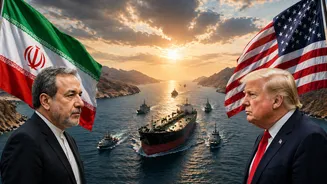
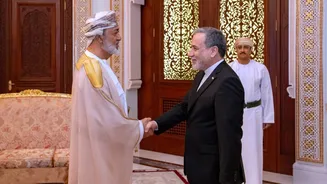
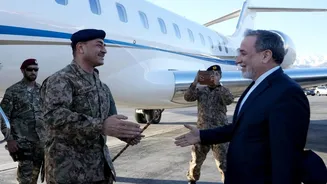
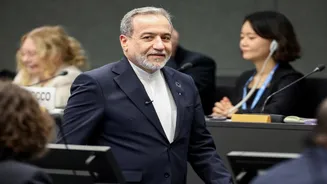
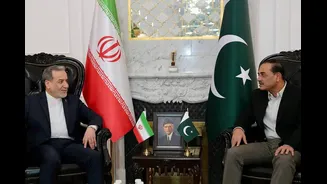
Meanwhile, there has been an impasse between the US and Iran to resolve the two-month conflict after US President rejected Tehran's proposed plan. The proposal was presented by Iran’s foreign minister Abbas Araghchi during his visit to Oman and Pakistan during the weekend, reported The Wall Street Journal. According to the report, Iran had set three conditions to open the Strait of Hormuz.
As per Iran's proposal, the US should lift its blockade on the country and its ports and end the war in the Middle East. Tehran also proposed that the discussions on its nuclear program should be pushed to a later phase of the diplomatic process. However, US officials told The New York Times that President Trump and his national security team are skeptical of Iran's offer.