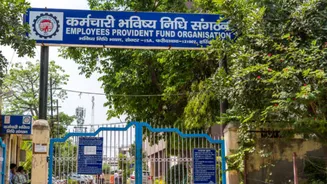









Employers have until October 31, 2026, to submit the Electronic Challan-cum-Return (ECR) and pay provident fund (PF) dues for September. The Employees’
Provident Fund Organisation (EPFO) extended the original October 15 deadline after revising the monthly EPF wage ceiling from Rs 15,000 to Rs 25,000, with the change taking effect from September 17, 2026. The revised wage threshold has implications for payroll processing, contribution calculations and employee eligibility for EPF membership. Employers need to examine their existing payroll arrangements and verify whether the updated provisions affect their workforce before submitting the return. The ECR records employee-level wage and contribution information for the Employees’ Provident Fund (EPF), Employees’ Pension Scheme (EPS) and Employees’ Deposit Linked Insurance (EDLI). Accurate reporting and timely payment are essential to meeting statutory obligations under the revised framework. EPF Deadline: What Employers Must Complete By October 31 With the extended deadline approaching, establishments should verify employee records, check contribution amounts and reconcile payroll data before filing the September ECR. Both employer and employee contributions must be calculated according to the applicable rules. Businesses should also confirm that the correct amounts have been deposited and that the information reported for EPF, EPS and EDLI matches their payroll records. The wage ceiling revision makes these checks particularly important for organisations whose contribution calculations are linked to the statutory limit. Employers may need to update payroll configurations to reflect the revised threshold and determine whether additional employees qualify for coverage. EPF Contribution Changes The effect of the revised wage ceiling will vary depending on how an establishment calculates provident fund contributions. For employers that restrict contributions to the statutory wage ceiling, the change could increase the maximum monthly employee contribution from Rs 1,800 to Rs 3,000, assuming the applicable contribution rate remains 12 per cent. The employer's contribution must also be allocated between EPF and EPS in accordance with the relevant rules. However, establishments that already calculate contributions at 12 per cent of employees' actual PF wages may see little or no change in the amounts payable. Their immediate priority should be to verify that payroll systems comply with the revised provisions and that all applicable statutory requirements are met. Consequently, employers should not assume that the new ceiling will affect every employee in the same way. The impact depends on the existing contribution structure, individual wages and applicable membership provisions. EPFO Wage Ceiling Hike: Who May Become Eligible For EPF? The increase in the wage ceiling could expand mandatory EPF coverage to eligible new employees earning more than Rs 15,000 and up to Rs 25,000 per month, subject to the applicable membership rules. Employees earning above Rs 25,000 who have never joined EPF may remain outside mandatory coverage if they qualify as excluded employees under the relevant provisions. Meanwhile, existing EPF members generally retain their membership when switching jobs, subject to the applicable rules. Employers should therefore review employee-wise eligibility rather than relying solely on salary thresholds. The distinction between existing members, new recruits and employees classified as excluded members is important when determining whether enrolment is compulsory. EPF, EPS And EDLI: What Employers Should Verify Before submitting the September return, employers should focus on three areas:
- Employee eligibility: Identify workers who may qualify for mandatory EPF coverage under the revised wage ceiling and verify their membership status.
- Contribution calculations: Check employee and employer contributions, including the applicable allocation between EPF and EPS.
- ECR accuracy: Reconcile wage records and contribution figures for EPF, EPS and EDLI to ensure that the information submitted matches payroll records.
Completing these checks before filing can help reduce reporting errors, payment discrepancies and compliance-related complications.