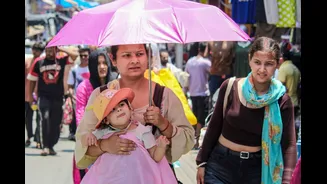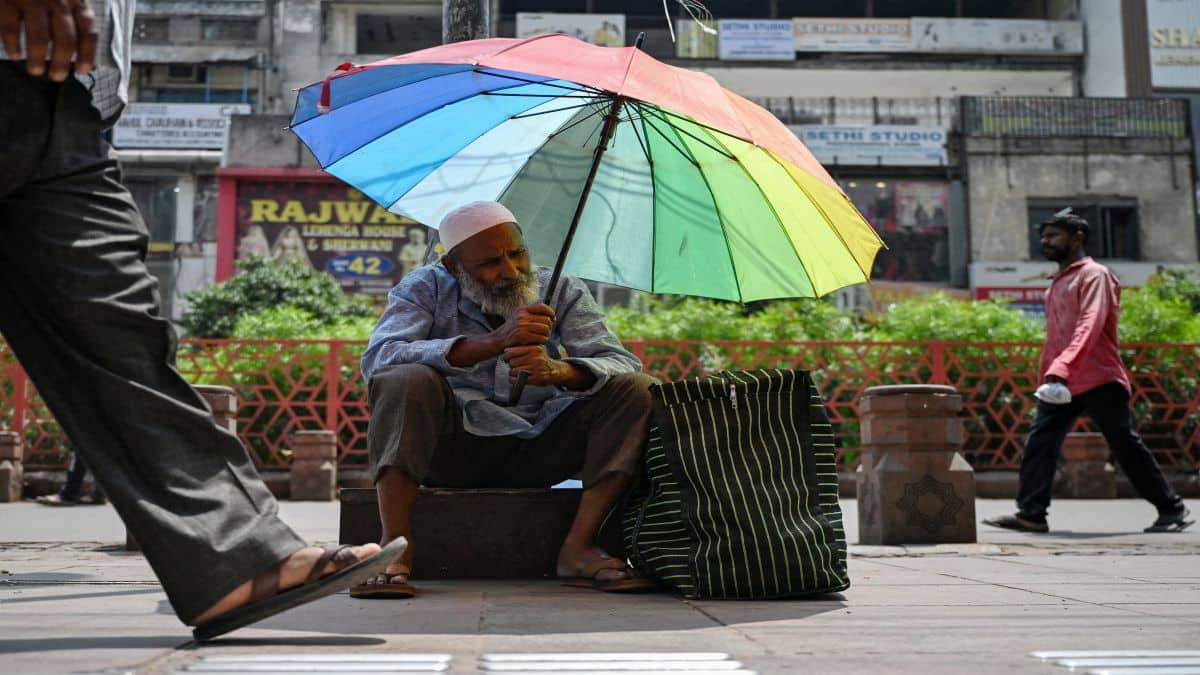






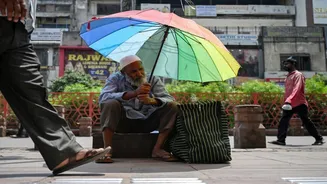

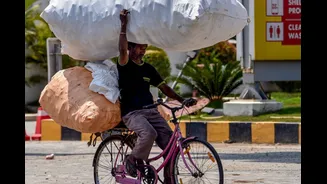
A severe heatwave has gripped large parts of northwest and central India with the temperatures surging close to 45 degrees Celsius, and the intensifying
heatwaves are no longer being viewed as just a seasonal discomfort. Health insurance leaders are seeing the extreme heat as amajor public health and financial risk for households. This could trigger rising hospitalisations, income disruptions, and mounting medical expenses, pushing for the need of health insurance, they believe. Dr. Santosh Puri, Head - Health Underwriting, TATA AIG said, "For families, especially when the primary earner is impacted, the burden goes beyond medical bills to include lost income, recovery time, and strain on savings. Yet, these risks are still underestimated, with many not factoring them into their financial or insurance planning." "This calls for a clear shift from reactive to proactive financial preparedness. Health protection today must go beyond basic hospitalisation cover to include comprehensive plans that address emergency care, recovery, outpatient needs and reduced out of pocket hospital expenses," he said. "At the same time, awareness-building is critical, through timely advisories, preventive guidance, and education - to help people better understand the real impact of climate-linked health risks and take informed steps to safeguard both their health and finances." Udayan Joshi, COO, SBI General Insurance on the rising heatwaves and related health concerns said the consumer awareness remains relatively low despite the increasing frequency and intensity of heatwaves. "A key challenge is the indirect nature of heat-related illness symptoms often appear similar to routine fatigue or seasonal illness, making it difficult for consumers to link them directly to heat exposure. As a result, preventive behaviors such as hydration discipline, limiting outdoor exposure during peak heat time, or monitoring vulnerable family members are not consistently adopted. This perception gap also extends to financial preparedness, where the broader cost impact of heat-related illness is often underestimated," he said. Rakesh Jain, CEO at IndusInd General Insurance said, "Preparedness today means knowing policy benefits, using wellness and preventive health features, and ensuring continuity of care. Over time, this approach will increasingly shape how families view insurance not just as protection against illness, but as support for everyday health resilience." Dr Puneet Biblani, Head – Claim, ManipalCigna Health Insurance said, "For Indian households, extreme heat translates into emergency hospitalisation costs, ICU bills, and prolonged recovery expenses that arrive without warning. Vulnerable groups including the elderly, outdoor workers, and those with chronic illnesses face compounded risks when temperatures spike." "Families without adequate health coverage are disproportionately impacted, often depleting savings to manage what is increasingly a preventable crisis. The financial risk is real, growing, and demands attention from households across income groups."