






Indian companies are yet to fully capitalise on the market access and tariff concessions offered through free-trade agreements (FTAs), with domestic businesses
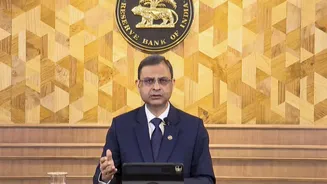
utilising only a fraction of the available benefits compared with their international trade partners, Reserve Bank of India (RBI) Governor Sanjay Malhotra said on Friday. Speaking at an event for small and medium-sized enterprises in Mumbai, Malhotra pointed out that Indian businesses are taking advantage of just 20 per cent to 30 per cent of the opportunities available under these trade arrangements. In comparison, companies from India's FTA partner countries are using between 60 per cent and 70 per cent of the benefits. The remarks highlight the gap between India's expanding network of international trade partnerships and the ability of domestic businesses to translate these agreements into tangible commercial gains. "The government of India has now opened up a number of avenues. A number of FTAs have been signed. At the same time, however, it has been found that only about 20 per cent to 30 per cent of the utilisation has been done by Indians vis-à-vis 60 per cent to 70 per cent by our partners in the trade agreements," Malhotra said. Indian Companies Yet To Fully Tap FTA Opportunities Malhotra stressed that businesses have considerable ground to cover before they can make effective use of the preferential tariff arrangements negotiated through India's trade agreements. Lower import duties and improved access to overseas markets can create opportunities for exporters, but companies must understand the provisions of individual agreements to benefit from them. The RBI Governor urged small and medium-sized enterprises to familiarise themselves with the provisions of FTAs and focus on strengthening their operational capabilities. He highlighted the importance of improving product quality, ensuring timely deliveries and meeting international standards and certification requirements. For smaller companies, these factors could prove crucial in expanding their presence in overseas markets and competing with established international players. Malhotra also drew attention to the relatively limited adoption of artificial intelligence (AI) among India's micro, small and medium enterprises (MSMEs). According to him, only around 14 per cent of businesses in the sector have adopted AI, leaving India behind several international peers, including China. (With agency inputs)