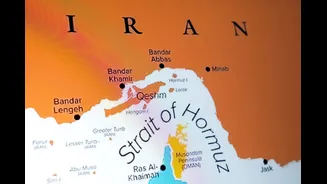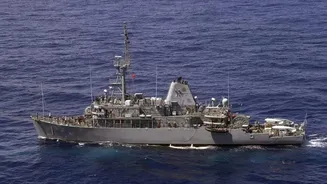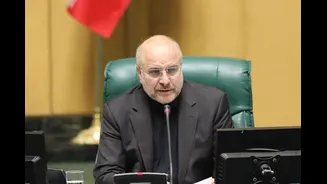







The White House is preparing for what could become a multi-day or even multi-week military confrontation with Iran as tensions in the Strait of Hormuz
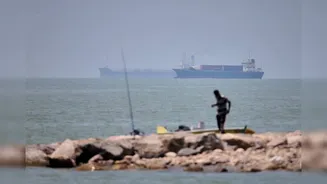
continue to rise, according to an Axios report citing US officials. The report said the duration of the conflict will depend largely on Tehran's next moves. While the military campaign initially focused on dismantling Iran's missile capabilities and nuclear programme, officials now believe the confrontation has evolved into a broader battle over control and security of the Strait of Hormuz, the world's most critical oil transit chokepoint. A US official told Axios that the current phase of escalation could last "a day or two, a week or a month," depending on whether Iran continues attacks on commercial shipping in the strategic waterway. "We're going to slap them a bit so they understand we're not f***ing around," the official was quoted as saying by Axios. The Strait of Hormuz carries a significant share of the world's crude oil and liquefied natural gas exports. Any prolonged disruption to shipping through the narrow waterway is likely to fuel fresh concerns over global energy supplies and oil prices.
US-Iran war resumes
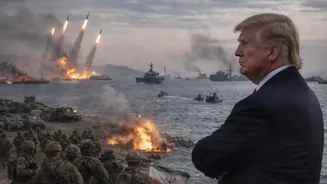
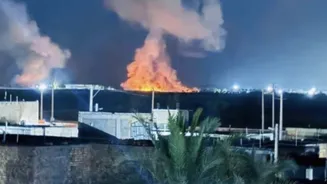
The United States launched a second consecutive night of military strikes against Iran on Wednesday, saying the operation was intended to prevent Tehran from threatening commercial shipping in the Strait of Hormuz. The US says the strikes would "further degrade" Iran's "ability to threaten freedom of navigation" in the strait
The new offensive came hours after US President Donald Trump said he believed the interim agreement reached last month to halt fighting with Iran was "over".
In retaliation, Iran's Islamic Revolutionary Guard Corps claimed that its forces destroyed infrastructure and “important facilities” at four US military bases in Kuwait and Bahrain during a joint missile-and-drone operation.
A renewed conflict could engulf the wider Middle East and would likely again halt energy shipments through the strait.
Negotiations to reach a final deal were due to start after the funeral for Khamenei, who was killed on February 28.