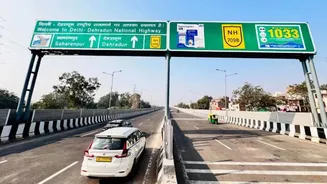






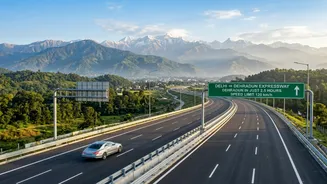
Giving a major boost to travel between Delhi and Uttarakhand is here as the Delhi-Dehradun Expressway Prime Minister Narendra Modi on Tuesday (April 14)
inaugrated the 210 km-long highway that is expected to reduce travel time from over 6 hours to just 2.5 hours. Built for Rs 11,868 crore, the expressway will also shorten the distance between Delhi and Dehradun from 235 km to 210 km. Designed for speeds of up to 100 kmph, the highway promises smoother and faster journeys for commuters, tourists and pilgrims. Before the launch, the Prime Minister held a road show in Saharanpur and also visited the Maa Daat Kali Temple near Dehradun, where he offered prayers. The project also improves connectivity to Haridwar through a dedicated spur, making travel easier for those heading to Char Dham routes. Key stretches pass through Uttar Pradesh districts like Baghpat, Shamli, Muzaffarnagar and Saharanpur before entering Uttarakhand.
Also Read | Delhi to Dehradun In Just 2.5 Hours? This Expressway Is About To Change Everything
Delhi-Dehradun Expressway: Wildlife Corridor and Key Features
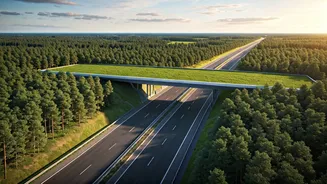
One of the standout features of the expressway is its eco-friendly design. A 20 km stretch passing through forest areas includes a 10.97 km-long animal underpass, one of the largest in Asia. This elevated corridor allows animals to move safely across habitats, even accommodating large species like elephants.
The stretch runs through the Rajaji National Park and includes the 340 metre Daat Kali tunnel. Authorities say special measures like sound and light barriers have been installed to reduce disturbance to wildlife.
Built as a six-lane expressway, the corridor is designed to significantly reduce congestion on existing routes while ensuring a more comfortable driving experience for commuters, tourists and long-distance travellers.
Modern Highway with Advanced Safety and Connectivity
The corridor is equipped with an Advanced Traffic Management System (ATMS) to monitor traffic in real time and improve road safety. It features multiple interchanges, railway overbridges, major bridges and several wayside amenities to support travellers during long journeys. With more than 100 underpasses and multiple connectivity points, the expressway is also linked to major highways including the Delhi–Mumbai Expressway and the Eastern Peripheral Expressway, enabling seamless inter-state movement and better regional connectivity.
The expressway has been developed in phases, with key stretches such as the 32-km Delhi–Baghpat section opened earlier for public use. The full corridor now provides a continuous high-speed link between Delhi and Dehradun, reducing travel time drastically compared to the older route. Built at a cost of over Rs 11,800 crore, the project may have higher toll charges than existing roads, but the savings in travel time, fuel consumption and improved efficiency are expected to benefit regular commuters and long-distance travellers significantly.