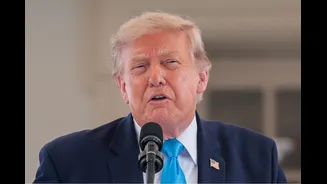




President Trump says negotiations with Iran, likely conducted through intermediaries, are set to begin Monday, August 3, just days after he called off
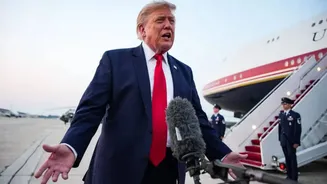
what he described as a massive planned attack on the country. Speaking to reporters aboard Air Force One, Trump laid out where things currently stand. He said talks with Iran are taking the form of a negotiation, set to begin Monday afternoon, and that he'd genuinely like to see it succeed. He framed the stakes in human terms, saying a deal would save a lot of lives and avoid what he called a lot of unnecessary death. Trump made clear the military option hasn't gone away. He said the United States remains ready to act whenever it chooses to. But when asked to weigh that against negotiation, he was direct about his preference, saying he would rather make a deal since he isn't looking to kill people. He added that a lot of people die in these situations, and that's not something anyone wants.
"We are talking to them [the Iranians] in the form of a negotiation; it begins tomorrow afternoon, and we’ll see how it goes. I’d love to do that. It’ll save a lot of lives; a lot of unnecessary power, to be honest with you. We are ready to go whenever we want. Would I rather make a deal? I’m not looking to kill people, because a lot of people die; we don’t want that," Trump said.
Four Parties Asked Him to Stand Down
Trump said the push to hold off on military action came from multiple directions at once. He named Saudi Arabia, the UAE, Qatar and Iran itself as the parties who reached out and asked him to call off what he described as a massive attack that had been planned.He gave some insight into the reasoning behind those requests, saying all four believe a deal is close. According to Trump, that includes a potential agreement covering the Strait of Hormuz, followed by a separate deal focused on Iran's denuclearization. For now, he said, the planned strike is being held back while everyone waits to see how talks unfold.
'The Biggest Attack Since World War II'
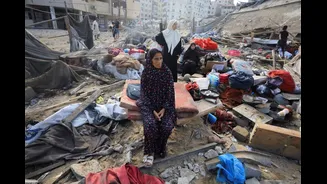
Trump described just how significant the canceled strike would have been, calling it an attack that would have ranked as the largest since World War II. He said the outcome for Iran would have been disastrous, which is exactly why Iran didn't want it to happen. He added that Saudi Arabia shared that same reluctance, believing instead that a deal was within reach.Trump also pointed to the broader risks that come with launching an attack of that scale, raising concerns about what might follow once fighting starts. He questioned whether neighboring countries could end up dealing with waves of people fleeing across their borders, calling that scenario a disaster and warning that a lot of things could go wrong once a major attack like that begins.