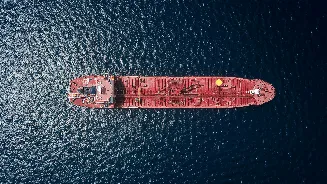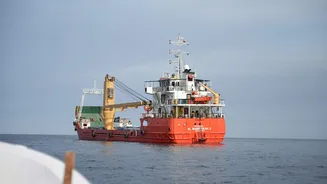






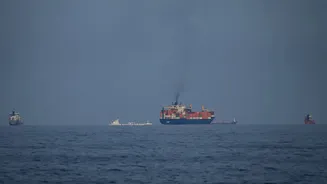
Tehran: The United States has now imposed a naval blockade in the Strait of Hormuz, restricting all ships originating from and entering Iranian ports.
With this blockade, the US aimed to attack Iran’s economy. The US naval blockade could cost Iran up to USD 435 million a day, reported The Wall Street Journal. This also reportedly includes USD 276 million in lost exports, primarily crude oil and petrochemicals. The estimate by Miad Maleki, an analyst with the Foundation for Defense of Democracies research group, was based on Iran exporting 1.5 million barrels of oil a day at around USD 87 a barrel during the war, reported the media house. As per the estimate, 90 per cent of Iran’s exports might have been through Kharg Island, which was reportedly bombed by the US last month. Meanwhile, other analysts also believed that the economic impact of the US naval blockade on Iran will depend on several other factors, including how much intensity the US forces can restrict ships leaving or entering Iranian ports. or whether Tehran could trade through alternative routes. The Jask terminal could be one of the alternative routes that Iran could explore, but it also has some limitations.
As per the WSJ, the short-term damages could be negated by oil Iran already has on the water. Iran reportedly had an estimated 154 million barrels floating outside the blockage as of late March, reported the media house, citing the data from Kpler.
Also Read: 15 Warships, F-35B Lightning II Jets, Ospreys: How US Enforces Hormuz Blockade
About The Arsenal Used By The US In The Naval Blockade:
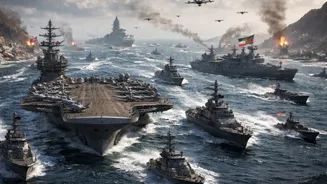
The US enforced a naval blockade in the Strait of Hormuz with the deployment of at least 15 warships. The US has also deployed amphibious assault ship USS Tripoli (LHA 7). This amphibious ship is operating F-35B Lightning II stealth fighters and MV-22 Ospreys in the Arabian Sea. The US Central Command, which supervises operation, confirmed on Monday night that the blockade started at 1400 GMT. The US naval blockade is applicable to all the ships leaving and entering Iranian ports, including those on the Arabian Gulf and the Gulf of Oman. Meanwhile, there will be no restrictions on ships originating from non-Iranian ports.